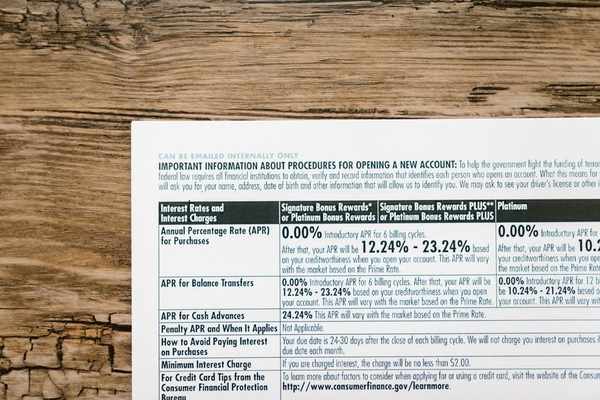
Two car loan offers can display different rates even when both finance the same vehicle. One highlights a 6.2% interest rate; another advertises a 6.6% APR. Which is cheaper? You cannot tell until you know what each percentage measures. The distinction between APR and interest rate on a car loan matters when lenders charge different fees.
The interest rate measures the charge for borrowing principal. The annual percentage rate, or APR, reflects interest and certain finance charges. Neither number alone tells you the full monthly payment or total cost of buying the car.
APR vs. Interest Rate: The Essential Difference
An auto loan interest rate is the percentage used to calculate interest on the outstanding balance. It excludes separate loan fees. On a typical amortizing loan, interest is charged on the unpaid balance, so more of each scheduled payment generally goes toward principal as the balance declines.
Car loan APR expresses the cost of credit as a yearly percentage and includes certain fees that qualify as finance charges. That makes it a better comparison tool when lenders structure charges differently. If a loan has no additional finance charges, its APR and interest rate may be the same or very close.
What the Interest Rate Actually Shows
The interest rate helps determine interest accrual and, together with the loan amount and term, your monthly principal-and-interest payment. Most standard auto loans have fixed rates, but check your contract.
For example, borrowing $20,000 for 60 months at a fixed 7% interest rate, with no additional financed charges, produces a payment of about $396 per month and roughly $3,761 in interest over five years. Those estimates assume equal scheduled payments without early payoff.
The rate alone will not reveal a separate origination fee. Our guide to calculating total car loan interest illustrates how the balance falls over time.
What Does Car Loan APR Include?
Under US Truth in Lending rules, APR reflects interest plus certain credit-related charges. Depending on the transaction, these might include qualifying origination or processing fees. Not every fee on a dealer invoice enters the APR calculation.
Vehicle registration, sales tax, and optional products are not necessarily treated like mandatory loan fees. Their treatment depends on the charge and disclosure rules. Still, financing these amounts can increase what you repay even if they do not appear as separate APR components.
APR is broader than the interest rate, not an all-inclusive vehicle price. Insurance, fuel, maintenance, and other ownership expenses are outside that percentage.
A Realistic Comparison: The Lower Rate Can Lose
Consider two illustrative quotes for the same $20,000 financing need and 60-month term. Offer A lists a 6.2% interest rate but discloses a 7.1% APR after qualifying finance charges. Offer B lists a 6.6% interest rate and a 6.6% APR without comparable added charges.
Offer A looks better if you compare only interest rates. Offer B looks better when you compare APRs. These quotes illustrate the difference rather than calculate a specific fee. Ask each lender for itemized charges, amount financed, payment schedule, and total of payments.
Never compare the APR on one quote with the interest rate on another. That mixes two different measures of borrowing cost.
Which Numbers Should You Check Before Signing?
For covered US auto loans, the Truth in Lending Act requires disclosures before you become obligated. Locate the APR, finance charge, amount financed, total of payments, and payment schedule. The finance charge is a dollar figure for interest and certain fees over the scheduled term, assuming payments are made as agreed.
Look Beyond the Rate Box
Check that the vehicle price, down payment, trade-in allowance, and term match what you negotiated. Identify financed taxes, warranties, GAP products, and other extras. Review whether early repayment carries a penalty.
If a dealership proposes a lower monthly payment, request an updated written breakdown. The reduction may come from stretching the loan. Our guide to car loan terms and monthly payments explains why 48-, 60-, and 72-month offers have different lifetime costs.
Why the Lowest APR Is Not Always the Lowest Total Cost
APR works best when comparing loans of the same size and duration. A 72-month loan with a lower APR may generate more total interest than a shorter loan with a slightly higher APR because you owe the balance for longer.
Upfront fees deserve attention if you expect to refinance or repay early. APR reflects costs over the disclosed schedule; paying off the loan sooner changes the actual economics. Ask whether fees are refundable and how extra payments reduce principal.
Ask two separate questions: Which offer has the lower standardized annual borrowing cost, and which will cost fewer dollars under your likely repayment plan?
How to Compare Auto Financing Offers Fairly
Request quotes from a bank, a credit union, and any dealer-arranged lender you are considering. Keep the price, down payment, loan amount, and term consistent so differences are easier to spot.
Compare APR with APR. Record each offer’s required charges, amount financed, monthly payment, and total of payments. If optional extras are included, ask for a quote without them. A preapproval can also help when discussing dealership financing.
Leave room in your budget for insurance, registration, repairs, and running costs. Our guide to how much car you can afford is a useful starting point before committing.
Common Mistakes That Make Rates Confusing
The first mistake is choosing the smallest advertised percentage without checking whether it is an interest rate or APR. The second is comparing different terms: a lower payment over more years does not automatically mean a cheaper loan.
Another trap is ignoring the amount financed. Extras rolled into principal can cost more even when the disclosed APR looks competitive. Read the itemized contract, not just the sales pitch.
Frequently Asked Questions
Is APR always higher than the interest rate?
No. APR often exceeds the stated interest rate when qualifying finance charges apply. Without such charges, the two percentages can match or be very close.
Should I compare car loans using APR or interest rate?
APR is generally the better rate comparison for similar loan amounts and terms because it captures certain lending fees. Also compare total payments and contract conditions.
Does a lower APR mean a lower monthly payment?
Not necessarily. Payments depend on the amount financed and repayment term. A shorter loan with a lower APR may have a higher monthly payment.
Can I negotiate my car loan APR?
You can ask lenders and dealers about better rates and reduced fees. Competing quotes give you useful leverage, although pricing depends on credit and other factors.
The Bottom Line
The interest rate tells you what the lender charges on borrowed principal; APR adds certain financing fees into a standardized annual measure. For an APR vs. interest rate car loan comparison, start with APRs on matching offers. Then check the amount financed, repayment term, total payments, and added products. A good financing decision depends on the whole contract, not just its most attractive percentage.