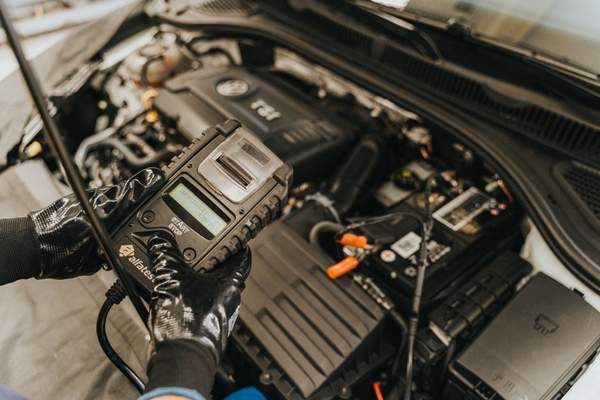
A car that starts reluctantly, shakes at idle, or feels unusually weak may have a problem deeper than its spark plugs or fuel system. One possibility is low engine compression: a cylinder cannot hold enough pressure for efficient combustion. Similar symptoms can come from simpler faults, though, so compression loss needs testing rather than guesswork.
Understanding low engine compression symptoms helps explain why worn piston rings, leaking valves, damaged cylinder walls, and head-gasket failures can cause different problems.
What Low Engine Compression Means
As a piston moves upward on its compression stroke, both valves should be closed. The piston rings seal against the cylinder wall while the charge is compressed. If pressure escapes past a ring, valve, or gasket, the cylinder produces less effective power.
There is no universal healthy reading. Engine design, valve timing, test conditions, and cranking speed influence the result. Compare readings with the manufacturer’s specifications and with other cylinders, not a random internet benchmark.
Low Engine Compression Symptoms to Watch For
Hard Starting or Cranking Without Starting
An engine needs adequate compression alongside fuel and ignition. When pressure falls significantly, it may crank repeatedly before starting or fail to start. If several cylinders lose compression, cranking may sound unusually fast. Battery, fuel, and ignition faults can cause similar complaints.
Rough Idle and Persistent Misfires
One weak cylinder contributes less power than its neighbors, producing vibration, uneven exhaust pulses, and sometimes a check-engine light. A scanner may report a cylinder-specific misfire code, but that does not establish its cause. Coils, spark plugs, injectors, and intake leaks also deserve investigation. Compare these signs with rough idle causes.
Weak Acceleration and Power Loss
Without adequate cylinder pressure, an engine may feel flat when pulling away, climbing hills, or overtaking. Compression loss often becomes more noticeable under load. You might find yourself pressing the accelerator farther to get familiar performance.
Higher Fuel Consumption
Reduced mechanical efficiency and poor combustion can increase fuel consumption, especially if the driver compensates with more throttle. Economy alone is not a reliable clue: driving conditions, sensors, and many unrelated faults affect it.
Oil Consumption or Blue Exhaust Smoke
Bad piston rings symptoms can include increased oil use and blue-tinted exhaust smoke when oil enters the combustion chamber. Neither proves a ring problem. Valve-stem seals can also permit oil burning without necessarily reducing compression.
Common Causes of Compression Loss
Worn or Stuck Piston Rings
Rings must maintain a seal while the piston moves. Wear, breakage, or rings stuck in their grooves can let combustion pressure enter the crankcase. Increased blow-by and oil consumption may accompany this fault. A wet compression test helps evaluate the ring-and-bore seal.
Scored or Worn Cylinder Walls
Deep scoring, excessive wear, or an out-of-round cylinder prevents the rings from sealing. These conditions can develop after lubrication failures, overheating, or long use. New rings alone may not fix an incorrectly shaped or damaged bore.
Burned or Poorly Seated Valves
Valve compression problems develop when an intake or exhaust valve cannot seal against its seat. Heat damage, bent valves, incorrect clearance on some engines, or valvetrain problems can allow pressure to escape. Unlike ring wear, a leaking valve may cause low compression without obvious oil burning.
Head-Gasket Leaks and Valve Timing
A failed head gasket may allow pressure into an adjacent cylinder or the cooling system. Coolant loss, overheating, or unusual cooling-system pressure can accompany the leak, but visible smoke or milky oil is not inevitable.
Incorrect camshaft timing may also produce low readings across multiple cylinders. A slipped timing belt or chain deserves prompt investigation if the engine suddenly runs poorly. For related clues, see head gasket failure signs.
How Mechanics Confirm Low Compression
Dry Compression Testing
A technician measures cranking pressure in each cylinder using a gauge and the vehicle’s service procedure. Consistent battery speed, suitable throttle conditions, and properly disabled ignition and fuel systems are essential. Results must be compared against factory specifications.
Imagine three cylinders reading near 170 psi while one measures 95 psi under identical conditions. The disparity suggests a localized problem, but not whether the leak involves a ring, valve, or gasket. Two neighboring low cylinders can suggest a gasket leak. Uniformly low readings also raise questions about testing conditions or valve timing.
Wet Compression Testing
A technician introduces a small, specified amount of clean oil into a low cylinder and repeats the test. A substantial pressure increase suggests oil temporarily improved the ring or cylinder-wall seal. Little change shifts suspicion toward valves, a gasket, or other issues. This is evidence, not an automatic diagnosis.
Leak-Down Testing
A leak-down test applies regulated compressed air to a correctly positioned cylinder and measures leakage. Air heard at the oil filler suggests rings or bore wear; at the intake or exhaust, a leaking valve. Bubbles in the cooling system suggest a gasket leak or crack. Locating the escape path can prevent expensive guesswork.
What to Do Next
First, retrieve any fault codes and check common ignition, fuel, and intake problems. If a misfire persists on the same cylinder, request documented compression readings and, where appropriate, a leak-down test. The guide engine cranks but won’t start can help distinguish other starting faults.
Avoid driving with severe misfires, overheating, or rapid coolant loss, as continued operation may cause more damage. Repair options depend on the confirmed fault and can range from cylinder-head or valve work to substantial internal-engine repair.
The Bottom Line
Low compression signs are warnings, not a diagnosis. Hard starting, misfires, rough running, and power loss may point to poor cylinder sealing, but proper testing separates worn rings from valve trouble, gasket leaks, and timing faults. Find where pressure escapes before choosing a repair.
Frequently Asked Questions
Can an Engine Run With Low Compression in One Cylinder?
Yes. It may start and drive, but the affected cylinder can misfire and deliver less power. Persistent misfires need prompt attention because they may damage the catalytic converter.
Does Low Compression Mean the Engine Needs Rebuilding?
Not always. Valve faults, timing problems, and head-gasket leaks may have different repairs than worn rings or cylinder walls. Testing determines the appropriate approach.
Can Bad Spark Plugs Cause Low Compression?
Ordinary spark plug failures cause misfires, not compression loss. A poorly sealed plug installation can affect a reading, but true low pressure generally indicates a sealing or mechanical problem.
Can an Oil Additive Fix Low Compression?
An additive cannot reliably repair a burned valve, failed gasket, scored cylinder, or broken ring. A precise diagnosis is more useful than depending on temporary changes in performance.