Cars have become an essential part of everyday life. Whether commuting to work, taking children to school, or traveling across town, vehicles provide the mobility many communities rely on. In a city like Lynchburg, where both urban streets and scenic Virginia roads shape daily travel, maintaining a dependable vehicle is especially important.
Auto repair is more than simply fixing a broken part. It is a combination of routine maintenance, careful diagnostics, and skilled mechanical work that keeps vehicles safe and efficient. For drivers in Lynchburg, understanding how auto repair works—and why it matters—can make a significant difference in the lifespan of a car and the confidence of the person behind the wheel.
The Role of Auto Repair in Everyday Transportation
Vehicles today are complex machines that blend mechanical engineering with advanced electronics. Engines, transmissions, braking systems, and computer-controlled components must work together seamlessly for a car to perform properly.
Auto repair services address issues that arise as these systems age or wear down. Even with careful driving, parts naturally deteriorate over time. Brake pads thin out, belts loosen, fluids break down, and sensors can malfunction. Without proper attention, small issues can grow into larger and more expensive problems.
In Lynchburg, where drivers often rely on their vehicles for commuting between neighborhoods, campuses, and nearby rural areas, routine auto repair helps ensure vehicles remain dependable year-round.
Why Preventive Maintenance Matters
Preventive maintenance is one of the most important aspects of vehicle care. Rather than waiting for a breakdown, maintenance focuses on addressing wear before it becomes a serious problem.
Oil changes, tire rotations, brake inspections, and fluid replacements all fall into this category. These services might seem routine, but they play a major role in protecting an engine and preserving vehicle performance.
For example, engine oil lubricates internal components and prevents excessive friction. When oil becomes dirty or degraded, it loses its protective qualities. Regular oil changes help prevent internal damage and extend the life of the engine.
Similarly, tire maintenance ensures better traction and improved fuel efficiency. Uneven tire wear can signal alignment problems, which, if ignored, may lead to steering issues or unsafe driving conditions.
Preventive maintenance ultimately saves drivers money by reducing the likelihood of major repairs.
Understanding Common Auto Repair Issues
Even well-maintained vehicles eventually require repairs. Some of the most common automotive issues drivers encounter include brake wear, battery failure, engine misfires, and transmission concerns.
Brake systems are designed to wear down gradually because brake pads absorb the friction that stops a vehicle. Over time, the pads thin out and must be replaced to maintain safe stopping distances.
Batteries are another frequent repair issue. Extreme temperatures, aging components, and electrical demand can shorten battery life. When a battery fails, the car may struggle to start or lose electrical functionality.
Engine problems can vary widely, ranging from faulty spark plugs to fuel system issues. Modern vehicles rely on sensors and onboard computers to regulate performance, and a malfunctioning sensor can trigger warning lights or cause irregular driving behavior.
Transmission problems are often more complex and may involve slipping gears, delayed acceleration, or unusual noises. Early diagnosis can prevent minor transmission issues from developing into costly repairs.
Understanding these common problems helps drivers recognize early warning signs and seek repair before issues worsen.
Technology’s Influence on Modern Auto Repair
Automotive technology has evolved dramatically in recent decades. Vehicles are no longer purely mechanical systems; they now incorporate digital components that monitor performance, emissions, and safety.
Onboard diagnostic systems play a crucial role in identifying issues. When something goes wrong, sensors trigger warning lights on the dashboard, often referred to as the “check engine light.” Technicians can connect diagnostic tools to a vehicle’s computer system to retrieve error codes and pinpoint the source of the problem.
This technology allows mechanics to diagnose issues more accurately than in the past. Instead of guessing which component might be failing, technicians can interpret data directly from the vehicle.
However, modern technology also means that repair work requires specialized knowledge and equipment. Skilled technicians must understand both traditional mechanical systems and electronic diagnostics to properly repair contemporary vehicles.
Seasonal Challenges for Vehicles in Virginia
The climate in Virginia presents its own challenges for vehicles. Seasonal temperature shifts, humidity, and occasional winter storms all influence how cars perform.
Cold weather can affect battery performance and cause fluids to thicken, making engines work harder during startup. Winter conditions may also expose vehicles to road salt, which can accelerate rust and corrosion.
During warmer months, high temperatures can strain cooling systems and increase the risk of overheating. Air conditioning systems also receive more use during the summer, which can reveal hidden problems in compressors or refrigerant lines.
Regular inspections before seasonal changes can help drivers avoid unpleasant surprises. Checking coolant levels, battery health, tire condition, and brake performance ensures vehicles remain prepared for changing weather conditions.
The Value of Skilled Technicians
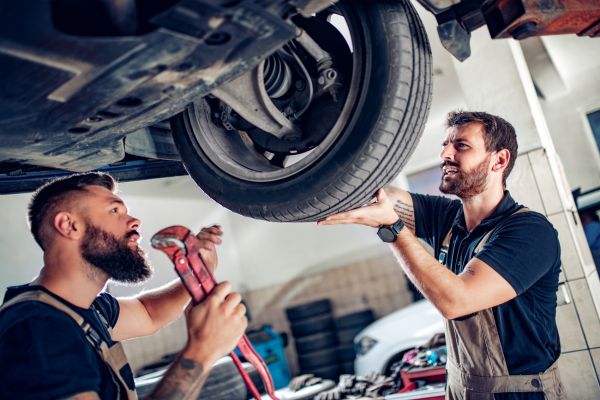
Behind every successful repair is a technician with the knowledge and experience to diagnose problems accurately. Auto repair requires both technical training and practical experience.
Technicians must understand how different vehicle systems interact. A vibration, for instance, might originate from tires, suspension components, or drivetrain issues. Determining the true cause requires careful inspection and testing.
Professional training programs and certifications help technicians stay current with new vehicle technologies. As automotive systems continue to evolve, ongoing education ensures repair professionals can service modern vehicles effectively.
For drivers, the presence of knowledgeable technicians can make a significant difference in the quality of repairs and the long-term health of a vehicle.
Building Trust Through Transparency
Auto repair can feel intimidating for many drivers, especially when technical terms and unfamiliar components are involved. Trust between drivers and repair professionals plays an important role in creating a positive experience.
Clear explanations about repairs, honest assessments of vehicle conditions, and transparent communication about costs all contribute to building that trust.
Drivers who understand why a repair is needed are more likely to feel confident in the work being performed. This transparency also encourages responsible vehicle ownership, helping drivers stay proactive about maintenance rather than waiting for emergencies.
Choosing the Right Auto Repair Support
Finding reliable auto repair services often begins with research and recommendations. Drivers may consider factors such as technician qualifications, service experience, and the ability to work on different vehicle types.
Location also matters. A conveniently located repair shop can make routine maintenance easier to schedule and complete without disrupting daily routines.
For example, drivers searching for information about auto repair lynchburg may come across resources that explain services available in the area and how local repair facilities support vehicle maintenance needs throughout the community.
The goal is not simply to fix problems but to create long-term reliability for vehicles that people depend on every day.
How Responsible Vehicle Care Benefits the Community
Reliable transportation benefits more than just individual drivers. It contributes to safer roads, smoother traffic flow, and a stronger local economy.
Vehicles that receive proper maintenance are less likely to experience sudden breakdowns or safety failures. This reduces roadside hazards and improves overall traffic safety.
In addition, well-maintained vehicles operate more efficiently and produce fewer emissions. Responsible maintenance therefore supports environmental goals by reducing unnecessary pollution.
Communities like Lynchburg, where many residents rely on personal vehicles for work, education, and daily responsibilities, benefit when drivers prioritize responsible vehicle care.
Conclusion
Auto repair is a fundamental part of modern transportation. While many drivers only think about repairs when something goes wrong, the broader picture reveals how maintenance, diagnostics, and skilled workmanship work together to keep vehicles reliable.
From routine oil changes to complex engine diagnostics, auto repair ensures cars remain safe, efficient, and ready for everyday use. In places like Lynchburg, where dependable transportation plays an essential role in daily life, understanding the importance of proper vehicle care can make a meaningful difference.
By staying attentive to maintenance needs, recognizing early warning signs, and relying on knowledgeable technicians when issues arise, drivers can extend the life of their vehicles and maintain confidence on the road. Ultimately, responsible auto repair is not just about fixing problems—it is about preserving the reliability that modern life depends on.