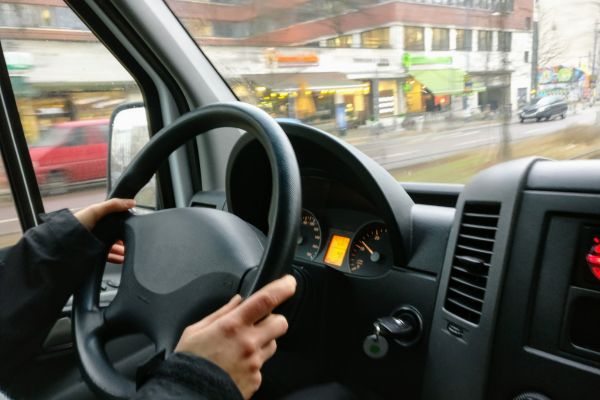
Driving Greener Starts Before the Engine Turns
Eco-friendly driving is not only about buying a hybrid, switching to an electric car, or making big lifestyle changes overnight. For most people, it begins with small choices made during ordinary trips: how quickly you accelerate, how often you brake, how much weight sits in the boot, and whether the tyres are properly inflated before a long drive.
That is what makes eco-friendly driving tips so useful. They are practical, realistic, and easy to apply whether you drive a small petrol car, a diesel vehicle, a family SUV, or a newer fuel-efficient model. The idea is simple: use less fuel, reduce unnecessary emissions, and make the car work with less strain.
The best part is that greener driving often feels calmer too. You spend less time rushing between traffic lights, less money at the pump, and less energy fighting the road. It is not dramatic. It is just smarter driving, repeated day after day.
Smooth Acceleration Makes a Bigger Difference Than You Think
Many drivers waste fuel without realizing it during the first few seconds after a stop. Hard acceleration may feel quick, but it asks the engine to burn more fuel than necessary. The car has to work harder, especially in city traffic where stop-and-go movement is constant.
A smoother approach is better. Press the accelerator gently, let the vehicle build speed naturally, and avoid treating every green light like the beginning of a race. This does not mean driving too slowly or irritating everyone behind you. It simply means using steady pressure instead of sudden bursts.
Over time, this habit can noticeably improve fuel economy. It also reduces wear on tyres, brakes, and engine components. In a way, smooth acceleration is the foundation of eco-friendly driving because it sets the tone for the whole trip.
Braking Less Often Means Wasting Less Energy
Every time you brake sharply, energy is lost. In a conventional fuel-powered car, that energy mostly turns into heat through the braking system. In a hybrid or electric vehicle, some of it may be recovered through regenerative braking, but even then, steady driving is usually more efficient than constant speeding up and slowing down.
The better habit is to look farther ahead. If traffic is slowing, ease off the accelerator early. If a red light is visible in the distance, let the car coast gradually instead of charging toward it and braking at the last moment.
This kind of driving feels more relaxed. It also gives you more time to react, which can make the road safer. Eco-friendly driving is not just about fuel numbers on a dashboard; it is also about becoming a more aware driver.
Keeping a Steady Speed Helps Save Fuel
Engines generally use fuel more efficiently when the car moves at a steady pace. Constant speed changes force the engine to adjust again and again, which can increase fuel use. On open roads, maintaining a consistent speed is one of the simplest ways to save fuel.
Cruise control can help on highways, especially on flat roads where traffic is predictable. However, it is not always perfect for hilly areas. Sometimes a careful driver can manage speed more efficiently by allowing the car to slow slightly uphill and regain speed naturally downhill.
The goal is not to drive like a machine. It is to avoid unnecessary surges. A steady foot often does more for fuel economy than many expensive add-ons.
Tyre Pressure Quietly Affects Fuel Economy
Tyres are easy to ignore until something goes wrong, but they play a major role in how efficiently a car moves. Underinflated tyres create more rolling resistance, which means the engine has to work harder just to keep the vehicle moving. That extra effort burns more fuel.
Checking tyre pressure once or twice a month is a small habit with a real payoff. It is especially important before long trips, during seasonal temperature changes, or when the car is carrying extra passengers or luggage.
Properly inflated tyres also improve handling and help tyres wear more evenly. So while it may feel like a small maintenance task, it supports safety, fuel savings, and a lighter environmental footprint all at once.
Extra Weight Makes the Engine Work Harder
Cars often become storage spaces without us noticing. Sports equipment, tools, old boxes, unused roof racks, and random items in the boot can stay there for weeks or months. The problem is that every extra bit of weight makes the engine do more work.
A lighter car usually uses less fuel, especially in urban driving where the vehicle repeatedly stops and starts. Removing unnecessary weight is one of the easiest eco-friendly driving tips because it costs nothing and takes only a few minutes.
Roof boxes and roof racks deserve special attention. Even when empty, they can increase drag and reduce fuel efficiency at higher speeds. If you only use them for occasional trips, it is better to remove them when they are not needed.
Air Conditioning Should Be Used Thoughtfully
Air conditioning is one of those comforts most drivers do not want to give up, and they do not have to. But using it thoughtfully can help reduce fuel consumption. In many cars, air conditioning places an extra load on the engine, especially at lower speeds or in hot weather.
On mild days, ventilation may be enough. At lower city speeds, opening the windows can feel comfortable without using the air conditioner. On highways, though, open windows can create drag, so air conditioning may be the better option.
The practical answer depends on speed, weather, and comfort. The aim is not to suffer in a hot car. It is simply to avoid running the system at full power when a lighter setting would do the job.
Planning Trips Reduces Unnecessary Driving
One of the most overlooked ways to save fuel is to drive fewer unnecessary miles. Many short trips can be combined into one route with a little planning. Instead of making separate journeys for groceries, school errands, fuel, and appointments, it often makes sense to group them together.
This matters because engines are usually less efficient when cold. Short trips, especially those under a few miles, can use more fuel per mile than longer, smoother journeys. A car that has already warmed up tends to run more efficiently.
Good route planning can also help avoid traffic, roadworks, and repeated backtracking. It is not about becoming obsessed with every mile. It is about making the miles you drive count.
Avoiding Long Idling Saves More Than Fuel
Leaving the engine running while parked may seem harmless, especially for a minute or two, but long idling wastes fuel and creates unnecessary emissions. This often happens outside schools, shops, driveways, and during casual waiting.
If you are stopped for more than a short moment and it is safe to do so, switching off the engine is usually the cleaner choice. Many modern cars already use start-stop technology for this reason, automatically turning the engine off during pauses and restarting it when needed.
There are exceptions, of course, such as extreme weather or specific vehicle needs. But as a general habit, reducing idle time is one of the simplest ways to make daily driving cleaner.
Regular Maintenance Keeps the Car Efficient
A poorly maintained car often uses more fuel than it should. Dirty air filters, old engine oil, worn spark plugs, dragging brakes, and neglected sensors can all affect efficiency. Sometimes the change is small. Sometimes it is surprisingly noticeable.
Following the service schedule helps the car run as the manufacturer intended. It also makes it easier to catch small problems before they become expensive repairs. A well-maintained engine does not have to struggle as much, and that usually means better fuel economy.
This is where eco-friendly driving connects with basic car care. Driving habits matter, but the condition of the vehicle matters too. The cleanest driving style cannot fully compensate for a car that has been ignored mechanically.
Choosing the Right Speed Matters on Highways
High-speed driving can increase fuel consumption sharply because air resistance grows as speed rises. A car traveling at very high speed has to push much harder against the air, even if the engine feels smooth and controlled.
Driving at a moderate highway speed can save fuel without adding much time to the journey. The difference between rushing and driving steadily is often smaller than people expect, especially when traffic, stops, and exits are included.
This habit also reduces stress. Instead of constantly overtaking, braking, and accelerating again, a slightly calmer pace can make the drive feel easier and more predictable. It is one of those changes that benefits both the driver and the environment.
Eco-Friendly Driving Is Really About Awareness
The most effective eco-friendly driving tips are not complicated. They come down to awareness. Notice how you accelerate. Look farther ahead. Keep the car maintained. Remove extra weight. Plan better routes. Use comfort features wisely. None of these habits require a perfect driver or a perfect car.
What makes them powerful is consistency. One smoother trip will not transform your fuel bill. But months of smoother driving, better tyre pressure, less idling, and fewer unnecessary miles can make a clear difference.
Eco-friendly driving is not about making every journey feel restricted. It is about understanding that small habits shape fuel use more than most people realize. Once those habits become natural, saving fuel feels less like effort and more like common sense.
Conclusion
Driving in a more environmentally friendly way does not have to be complicated, expensive, or uncomfortable. It begins with the way we use the cars we already have. A gentler foot, a little planning, proper tyre care, and regular maintenance can all help save fuel while reducing everyday emissions.
The road will always involve traffic, delays, weather, and moments when perfect driving is impossible. That is normal. The point is not perfection. The point is making better choices often enough that they become part of your routine.
In the end, eco-friendly driving is really a quieter kind of responsibility. It saves fuel, protects the car, lowers waste, and makes each journey feel a bit more thoughtful. And for most drivers, that is a very good place to start.