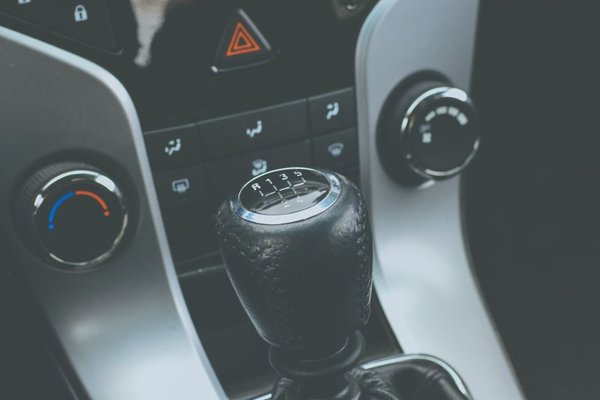
A hard shifting transmission can make an ordinary drive feel unsettling. Instead of changing gears smoothly, the car jerks, thumps or seems to hesitate before suddenly engaging. Sometimes the problem appears only when the vehicle is cold. Other times, every upshift feels unusually forceful.
Rough gear changes do not automatically mean the transmission needs replacing. A fluid-level problem, faulty sensor, worn mount or hydraulic control fault can create similar symptoms. The useful question is not simply why the transmission shifts hard, but when it happens and what accompanies the jolt.
What Counts as Hard Shifting?
A normal automatic shift may be noticeable, especially under heavy acceleration, but it should not repeatedly slam or unsettle the vehicle. Hard shifting describes a pronounced jolt during a gear change or when selecting Drive or Reverse. It differs from slipping, when engine speed rises without matching acceleration, although both can occur together.
Notice whether the sensation is a single clunk, a delayed engagement followed by a bang, or a consistently firm shift between specific gears. Those distinctions help separate genuine shift-control problems from movement elsewhere in the drivetrain.
Hydraulic Causes: Fluid and Pressure Problems
Incorrect Transmission Fluid Level or Type
Automatic transmissions use precisely controlled fluid pressure to engage internal clutches. Too little fluid can disturb that pressure, while overfilling may cause aeration and erratic operation. Incorrect fluid can also change clutch engagement characteristics. There is no safe universal fluid for every transmission.
Check the owner’s manual before attempting a level inspection. Some cars have a dipstick; others require a temperature-specific workshop procedure. Fluid that smells burnt, contains obvious debris or shows signs of leakage deserves professional attention. Colour alone is not a reliable diagnosis.
Valve Body and Pressure-Regulation Faults
The valve body directs pressurised fluid through passages to engage the appropriate gear. Sticking valves, internal leakage or pressure-control faults can make engagement too abrupt or poorly timed. A harsh shift automatic transmission complaint may therefore involve the hydraulic controls rather than the entire gearbox.
A technician may compare commanded pressure with measured behaviour, inspect fluid condition and review transmission-specific fault data before recommending valve-body work.
Electronic Causes: Solenoids, Sensors and Software
Shift Solenoids and Speed Sensors
Solenoids control fluid flow or pressure under the transmission computer’s direction. If a solenoid sticks or its electrical circuit fails, one gear change may become especially rough. Input and output speed sensors also matter: inaccurate signals can prevent the computer from coordinating a smooth shift.
A warning light may appear, but its absence does not rule out an electronic issue. A scan that accesses transmission-module codes and live data is more useful than guessing which solenoid to replace.
Adaptive Shift Settings
Many modern automatic transmissions adjust shift behaviour as components wear. After certain repairs, battery disconnection or software changes, a vehicle may need a manufacturer-specified relearn procedure. However, adaptation is not a cure for a mechanical fault. Check for applicable service bulletins and updates before assuming a rebuild is necessary.
Mounting and Drivetrain Problems That Mimic Harsh Shifts
Engine and transmission mounts limit how much the powertrain moves when torque changes. A worn mount can turn a relatively normal shift into a sharp thud felt through the cabin. Loose driveline components may create a similar impression.
If the car clunks mainly when selecting Drive or Reverse while stationary, ask for a mount and driveline inspection alongside transmission testing. A clunk alone does not establish that the gearbox is internally damaged. Related reading on engine mount symptoms can explain the difference.
Internal Wear: Clutches, Seals and Mechanical Damage
Worn clutch packs, damaged seals or other internal defects can prevent clean engagement. Sometimes the shift initially slips or flares, then grabs abruptly. Repeated overheating and contaminated fluid may worsen wear, but symptoms overlap with problems in the valve body and pressure-control system.
Internal damage becomes more concerning when hard shifts occur alongside slipping, delayed movement, a burning smell or loss of particular gears. Proper tests are needed before deciding whether repair, overhaul or replacement is justified.
Use the Shift Pattern to Narrow the Possibilities
Imagine a car that shifts smoothly after a warm-up but gives a pronounced jolt on its first change from first to second gear each morning. That pattern is worth recording, but it does not identify one failed part. Fluid behaviour, a sticking control valve and calibration issues could all vary with temperature.
Track the affected gear, outside temperature, driving conditions, warning lights and recent maintenance. If only one shift is harsh, tell the technician which one. If every shift suddenly becomes firm, mention that too; some transmissions increase pressure in a protective fault mode.
What to Check Before Paying for Major Repairs
Start with the vehicle’s maintenance history and any visible fluid leaks. Follow the manufacturer’s fluid-check instructions rather than adding fluid blindly. If the car has a sealed transmission, leave level verification to a qualified workshop.
A sensible diagnostic sequence includes a full scan of engine and transmission modules, a careful road test, a mount inspection and verification of fluid level and specification. Depending on the results, the workshop may investigate wiring, solenoid operation, commanded versus actual gear ratios and hydraulic pressure.
Ask the shop which test supports its recommendation. Replacing a solenoid because one shift feels rough can be just as wasteful as approving a complete transmission replacement without evidence. For more background, transmission fluid problem signs and transmission slipping symptoms are useful related topics.
When Should You Stop Driving?
Arrange a prompt inspection if hard shifting is new, worsening or frequent. Stop driving when the vehicle cannot reliably select gears, slips severely, loses drive, overheats or makes violent impacts. A tow is safer than testing whether the problem will disappear. Continuing to drive through severe faults can increase damage and create a traffic hazard.
Frequently Asked Questions
Why does my transmission shift hard only when cold?
Temperature affects fluid behaviour and mechanical clearances. A cold-only issue may involve fluid level, hydraulic controls or shift calibration. Some firmer cold shifts are characteristic of particular vehicles, so compare symptoms with the manufacturer’s guidance rather than assuming failure.
Can low transmission fluid cause rough gear changes?
Yes. Incorrect fluid level can disrupt hydraulic pressure and cause delayed or harsh engagement. Check the level using the procedure specified for your vehicle; adding too much fluid can create problems as well.
Will a transmission fluid change fix hard shifting?
It may help when fluid condition or an incorrect specification is part of the problem, but it will not repair a damaged sensor, valve body or worn clutch. Diagnose leaks and severe symptoms before authorising a fluid service.
Can I drive with a hard shifting transmission?
A mild, occasional firm shift is different from repeated slamming or slipping. Have persistent symptoms inspected soon, and avoid driving if engagement is unpredictable, warning messages indicate overheating or the car loses propulsion.
The Bottom Line
Harsh shifting causes fall into several groups: hydraulic pressure, electronic control, mounting and internal wear. The best path is to document the exact shift pattern, verify fluid and fault data, then test the most likely system. That approach improves the odds of fixing the actual problem without paying for unnecessary parts.