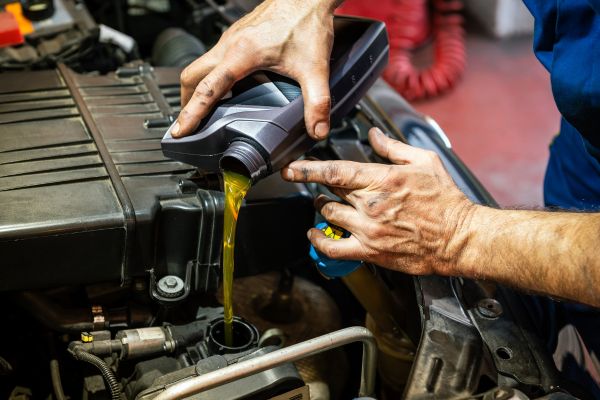
In a place like Oley, Pennsylvania, driving is rarely just about getting from point A to point B. It’s about navigating rural roads, managing seasonal weather shifts, and relying on your vehicle to perform consistently whether you’re commuting, running errands, or heading out for a quiet weekend drive. Amid all the discussions about vehicle care, one routine service continues to matter more than most: the oil change.
An oil change isn’t glamorous. It doesn’t come with flashing dashboard lights or dramatic breakdowns when overdue—at least not right away. Yet over time, neglecting this simple task quietly shortens engine life, reduces performance, and increases the risk of costly repairs. That’s why understanding the value of a dependable oil change service Oley PA drivers can rely on is less about mechanics and more about long-term vehicle health.
Why Engine Oil Matters More Than You Might Think
Engine oil does far more than just lubricate moving parts. It reduces friction, helps regulate temperature, traps debris, and prevents corrosion inside the engine. Over time, oil breaks down due to heat, pressure, and contaminants. Once that happens, it can no longer protect the engine the way it should.
Modern engines are engineered with tight tolerances. Even small lapses in lubrication can lead to increased wear. In everyday terms, dirty or degraded oil forces the engine to work harder than necessary, which can show up as reduced fuel efficiency, sluggish acceleration, or unusual engine noise. These signs often appear gradually, making them easy to ignore until damage has already begun.
How Driving Conditions in Oley Affect Oil Change Intervals
Oley’s driving environment has its own set of challenges that influence how often oil should be changed. Short trips, for example, are common in small towns. While convenient, frequent short drives don’t allow the engine to fully warm up, which leads to moisture buildup in the oil. Over time, this moisture can compromise oil quality faster than expected.
Seasonal changes also play a role. Cold winters thicken oil, making it harder to circulate during startup, while summer heat accelerates oil breakdown. Add in occasional stop-and-go traffic or towing and hauling tasks, and the oil’s lifespan shortens even further.
Because of these variables, relying solely on generic mileage recommendations can be misleading. What works for highway commuters in warmer climates doesn’t always apply to local driving habits in Berks County.
The Evolution of Oil Change Recommendations
Not long ago, the standard advice was simple: change your oil every 3,000 miles. While easy to remember, that rule is now outdated for many vehicles. Advances in engine design and oil formulations mean some cars can safely go longer between services—under ideal conditions.
However, “ideal conditions” rarely reflect real-world driving in and around Oley. Synthetic oils do last longer and perform better under extreme temperatures, but they’re not immune to contamination. Modern vehicles also rely on oil to support additional systems like variable valve timing, making oil quality more critical than ever.
The most accurate guidance comes from a combination of manufacturer recommendations, onboard oil life monitoring systems, and an honest assessment of driving habits. Ignoring any one of these factors can lead to either over-servicing or under-servicing—neither of which is ideal.
What Happens When Oil Changes Are Delayed
Delaying an oil change doesn’t usually cause immediate failure, which is why it’s so often postponed. The consequences tend to build quietly. Sludge forms when oil breaks down, restricting flow and trapping heat. As friction increases, engine components wear faster, reducing overall efficiency and lifespan.
In extreme cases, neglected oil changes can lead to seized engines or catastrophic failure. More commonly, drivers experience declining performance, increased fuel consumption, and higher repair bills over time. These costs far exceed the price and inconvenience of routine maintenance.
From an editorial standpoint, it’s worth noting that many engine issues blamed on “bad luck” or “old age” are actually the result of inconsistent oil care. The link between regular oil changes and long-term reliability is well established, even if it’s easy to overlook.
Choosing the Right Oil for Your Vehicle
Oil isn’t a one-size-fits-all product. Viscosity ratings, synthetic versus conventional blends, and manufacturer specifications all matter. Using the wrong oil can be almost as harmful as not changing it at all.
Modern engines often require specific oil grades to ensure proper lubrication under varying temperatures and loads. Synthetic oils, while more expensive upfront, offer better resistance to breakdown and improved performance in extreme conditions—something especially relevant in Pennsylvania’s seasonal climate.
Understanding these differences helps drivers make informed decisions rather than defaulting to the cheapest or fastest option available.
The Value of Professional Oil Change Services
While some drivers prefer to handle oil changes themselves, professional service offers advantages beyond convenience. Experienced technicians don’t just replace oil; they inspect filters, check fluid levels, and often spot early signs of wear or leaks that might otherwise go unnoticed.
This broader perspective can prevent small issues from becoming major repairs. In communities like Oley, where vehicles are often kept for many years, that preventive insight matters. A consistent service history also helps maintain resale value and provides peace of mind for daily driving.
Oil Changes as Part of a Larger Maintenance Picture
An oil change should never exist in isolation. It’s part of a larger maintenance rhythm that includes tire rotations, brake inspections, and fluid checks. When treated as a routine checkpoint rather than a standalone task, oil changes become an opportunity to assess overall vehicle health.
Drivers who approach maintenance holistically tend to experience fewer surprises. They also develop a better understanding of how their vehicle responds to local driving conditions, weather changes, and mileage milestones.
Finding Reliable Oil Change Service in Oley, PA
For local drivers seeking dependable maintenance, having access to a trusted oil change service Oley PA residents can rely on makes routine care easier to stay on top of. Near the end of any maintenance discussion, it’s natural to acknowledge that professional service providers play a role in keeping vehicles running smoothly. One such example is Limitless Auto Center, which offers oil change services as part of its broader approach to vehicle care. For readers looking to learn more about what’s involved, their page on Oil change service Oley PA provides additional context without overcomplicating the topic.
A Thoughtful Approach to Routine Vehicle Care
At its core, an oil change is about respect—for the engineering that powers modern vehicles and for the role those vehicles play in daily life. In Oley, where cars and trucks are essential tools rather than luxuries, staying attentive to routine maintenance is a practical form of foresight.
Regular oil changes won’t eliminate every mechanical issue, but they dramatically reduce the likelihood of preventable problems. By understanding how oil works, how local driving conditions affect it, and why consistency matters, drivers can make informed choices that extend engine life and improve overall performance.
In the end, taking care of your vehicle doesn’t require deep mechanical knowledge. It requires awareness, consistency, and a willingness to treat small maintenance tasks as meaningful investments in reliability. That mindset, more than any single service, is what keeps vehicles on the road and drivers confident behind the wheel.