The electric vehicle revolution has reached a point where the once-limited options for family-sized EVs have expanded dramatically. Just a few years ago, shoppers looking for a fully electric SUV had only a handful of choices. Today, the market is filled with models offering different designs, ranges, technologies, and driving personalities.
An EV SUVs comparison in 2026 reveals how far the industry has progressed. Automakers now approach electric SUVs with different philosophies. Some focus on luxury and comfort, others emphasize performance, and a few prioritize affordability or long-distance efficiency.
Understanding these differences is essential for anyone trying to navigate the expanding EV landscape. Rather than asking which electric SUV is simply “the best,” the more useful question is which one fits a particular lifestyle.
The Rise of the Electric SUV
SUVs dominate the global vehicle market, so it was only a matter of time before electric models took center stage. Families want space, commuters want efficiency, and drivers increasingly expect advanced technology as standard.
Electric SUVs deliver these expectations while removing traditional fuel consumption from the equation. Instead of engines and fuel tanks, they rely on battery packs and electric motors that provide instant torque and quiet acceleration.
The result is a driving experience that feels smooth and effortless. Even larger SUVs now move with surprising agility, and the absence of engine noise often makes the cabin feel calmer than in traditional vehicles.
In recent years, improvements in battery capacity and charging infrastructure have also reduced the range anxiety that once discouraged buyers. Many electric SUVs now offer ranges that comfortably exceed everyday driving needs.
Range and Charging: The Practical Foundation
When conducting an EV SUVs comparison, range and charging capabilities usually become the first considerations.
Electric SUVs vary significantly in how far they can travel on a single charge. Some models prioritize maximum range, offering over 300 miles per charge, while others focus on affordability or compact design and settle closer to the 200-mile range.
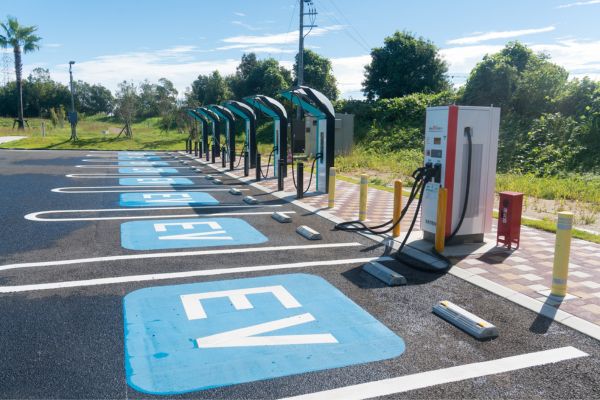
Charging speed has become just as important as total range. Fast-charging systems allow certain electric SUVs to regain a large portion of their battery capacity in under half an hour when connected to high-power chargers. This can transform long-distance travel from a logistical challenge into a manageable stop along the journey.
However, charging experiences still depend heavily on infrastructure. Urban areas tend to provide more accessible charging networks, while rural regions may require more careful route planning.
As charging stations become more common, the practicality gap between electric and gasoline-powered SUVs continues to shrink.
Performance: Instant Power and Smooth Acceleration
Electric SUVs bring a different kind of performance to the road. Traditional SUVs often rely on large engines to move their weight, but electric motors produce immediate torque from the moment the driver presses the accelerator.
This characteristic makes even family-oriented electric SUVs feel responsive. Acceleration can be surprisingly quick, and many models offer dual-motor all-wheel drive systems that improve traction in rain, snow, or rough terrain.
Performance-focused electric SUVs push this concept even further. Some rival sports cars in acceleration, reaching highway speeds in only a few seconds. Yet despite this capability, the driving experience remains smooth and controlled.
One of the more interesting aspects revealed through an EV SUVs comparison is how different manufacturers tune their vehicles. Some focus on comfort and relaxed cruising, while others deliver sharper handling and sportier dynamics.
Interior Technology and the Digital Cabin
Electric SUVs often serve as a showcase for modern automotive technology. Large touchscreen displays, digital dashboards, and advanced driver assistance systems are becoming standard features across many models.
The cabin design of electric SUVs also tends to feel more open and minimalistic. Without the need for traditional engine components, designers can create new layouts that emphasize space and comfort.
Many electric SUVs feature flat floors, panoramic glass roofs, and configurable seating arrangements. These design choices make the interior feel airy and flexible, especially for families or road-trip travelers.
Connectivity has also become central to the electric SUV experience. Software updates delivered over the air can improve navigation systems, add new vehicle features, or refine energy management systems long after the vehicle leaves the factory.
Design Approaches Across the EV SUV Market
A closer look at any EV SUVs comparison reveals that electric SUVs no longer follow a single design philosophy.
Some models adopt futuristic styling with sleek lines and bold lighting signatures that immediately signal their electric identity. Others retain the familiar proportions of traditional SUVs, offering a more conservative transition for drivers moving away from gasoline vehicles.
Compact electric SUVs appeal to city drivers who want maneuverability and efficiency. Mid-size models balance passenger space with everyday practicality, while larger electric SUVs focus on luxury, three-row seating, and long-distance comfort.
This diversity reflects how electric vehicles are becoming mainstream rather than niche products.
Efficiency Versus Size
Electric SUVs must balance two competing factors: size and efficiency.
Larger vehicles require bigger batteries to maintain strong range figures. While these batteries increase driving distance, they also add weight and cost. Smaller electric SUVs, on the other hand, often achieve better efficiency but sacrifice interior space.
This trade-off becomes clear when comparing different models. A compact electric SUV may travel farther per kilowatt-hour of energy, while a larger luxury model compensates with a higher-capacity battery.
For many drivers, the decision comes down to lifestyle needs. Urban commuters might prioritize efficiency and easy parking, while families may prefer the flexibility of additional cargo and passenger space.
Driving Experience: Quiet, Stable, and Different
Driving an electric SUV feels subtly different from operating a traditional gasoline vehicle.
Without gear shifts or engine vibration, acceleration feels continuous and smooth. Many electric SUVs also include regenerative braking systems that capture energy when slowing down, sending it back to the battery.
This feature allows drivers to control speed using mostly the accelerator pedal, a technique sometimes called one-pedal driving. It can take a little time to adjust, but many drivers quickly appreciate the intuitive feel.
The placement of batteries low in the vehicle also improves stability. With a lower center of gravity, electric SUVs often feel planted and balanced even during quick maneuvers.
These qualities have quietly reshaped expectations about what an SUV can feel like behind the wheel.
Cost Considerations and Ownership Experience
While electric SUVs typically carry higher purchase prices than comparable gasoline models, the ownership experience can look different over time.
Electric motors contain fewer moving parts than internal combustion engines, which can reduce maintenance requirements. Oil changes disappear entirely, and many EV owners report fewer mechanical issues over the life of the vehicle.
Energy costs can also be lower depending on local electricity prices. Home charging often becomes the most convenient and affordable option for daily driving.
However, battery technology and replacement costs remain part of the broader discussion surrounding electric vehicles. Most manufacturers offer long battery warranties, reflecting confidence in modern battery durability.
In an EV SUVs comparison, long-term ownership considerations often play as important a role as performance or design.
The Expanding Future of Electric SUVs
The electric SUV category is evolving quickly. New battery chemistries promise longer ranges, faster charging times, and improved durability. Automakers are also investing heavily in dedicated electric platforms designed specifically for EV performance and efficiency.
As technology advances, the differences between models will likely become more nuanced. Instead of simply comparing range numbers, future buyers may evaluate software ecosystems, charging networks, and sustainability efforts.
The variety of choices already available suggests that electric SUVs are no longer experimental vehicles. They are becoming the standard format for modern mobility.
Conclusion: Choosing the Right Electric SUV
An EV SUVs comparison in 2026 reveals a rapidly maturing segment of the automotive world. Electric SUVs now offer a wide range of driving experiences, from compact city-friendly models to spacious luxury vehicles designed for long journeys.
Rather than focusing on a single “best” option, the most meaningful comparisons highlight how each model aligns with different lifestyles. Range, technology, performance, and interior space all shape the overall ownership experience.
What becomes clear through these comparisons is that electric SUVs are no longer defined solely by their batteries. They represent a broader shift in how vehicles are designed, driven, and integrated into everyday life.
For drivers exploring this evolving market, the question is less about whether an electric SUV can meet their needs—and more about which one feels like the right match for the road ahead.