Why Electric Vehicle Insurance Feels Different
Car insurance for electric vehicles is becoming a much more common topic as more drivers move away from traditional gas-powered cars. A few years ago, electric cars still felt like a niche choice. Now they are parked in suburban driveways, used for daily commutes, and taken on road trips by families who simply want lower fuel costs and a quieter ride.
But insurance is one area where electric vehicles can still surprise new owners. Many drivers expect lower running costs to mean lower insurance costs too. Sometimes that happens, but not always. Electric vehicles can be cheaper to fuel and maintain in certain ways, yet they may cost more to repair after a crash. That difference is one of the main reasons insurance rates for EVs can feel slightly different from standard auto insurance.
The good news is that EV insurance is not mysterious. It follows the same basic structure as regular car insurance. The details simply need a closer look.
Why Electric Vehicles Can Cost More to Insure
Electric vehicles often have advanced technology built into nearly every part of the car. Cameras, sensors, driver-assistance systems, battery packs, specialized wiring, and lightweight body materials can all affect repair costs. Even a small accident may require careful inspection by a trained technician.
The battery is usually the most expensive part of an electric vehicle. It is also one of the biggest factors insurers consider when estimating potential repair or replacement costs. If a collision damages the battery area, the claim can become more expensive than it would be for a similar gas-powered vehicle.
Parts availability can also influence pricing. Some EV parts are not as widely stocked as parts for older gasoline models. If repairs take longer or require specialized shops, insurance companies may price that risk into the premium.
Still, it would be too simple to say all EVs are expensive to insure. Some electric vehicles are very reasonable to cover, especially if they have strong safety ratings, moderate repair costs, and are driven by someone with a clean record.
The Main Factors That Affect EV Insurance Rates
The price of car insurance for electric vehicles depends on more than the fact that the car is electric. Insurers look at many of the same things they consider for any vehicle.
Your driving record matters a lot. A driver with no recent accidents, tickets, or claims is usually seen as lower risk. Location matters too. Insurance can be more expensive in areas with heavy traffic, high theft rates, severe weather, or higher repair costs.
The model of the EV plays a major role. A luxury electric sedan with high-end technology may cost more to insure than a smaller electric hatchback or compact crossover. Vehicle value, repair complexity, safety features, replacement parts, and theft risk all shape the final premium.
Mileage also counts. Someone who drives an EV only for short local trips may pay less than someone using it for long daily commutes. Since many EV owners track their driving closely already, it can be worth asking about low-mileage or usage-based insurance options.
Coverage EV Owners Should Review Carefully
Most EV drivers need the same core types of coverage as other drivers. Liability coverage helps pay for injury or property damage if you cause an accident. Collision coverage helps repair or replace your own vehicle after a crash. Comprehensive coverage protects against theft, fire, vandalism, storms, falling objects, and other non-collision damage.
For electric vehicles, collision and comprehensive coverage often deserve extra attention because the vehicle value may be higher than expected. A new EV can be expensive to repair or replace, so dropping full coverage too early could be risky.
Gap insurance may also be worth considering if the vehicle is financed or leased. EV prices can change quickly, and depreciation may affect how much the car is worth after a total loss. Gap coverage can help cover the difference between the insurance payout and the remaining loan or lease balance.
Another area to check is rental reimbursement. EV repairs can sometimes take longer if parts are delayed or a certified repair facility is needed. Having rental coverage can reduce stress if your car is in the shop for more than a few days.
Home Charging and Insurance Considerations
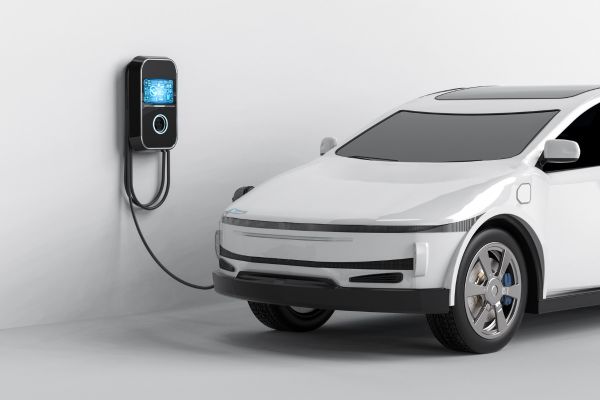
Home charging is one of the conveniences of owning an electric vehicle, but it also creates a small overlap between auto insurance and home insurance. The car itself is covered by the auto policy, while the charging equipment attached to the home may fall under homeowners insurance.
If you install a Level 2 charger at home, it is wise to tell your home insurer. This does not automatically mean your premium will increase, but it helps make sure the equipment is properly accounted for. Professional installation is also important. A poorly installed charger can create electrical risks, and insurers may ask questions if damage ever occurs.
For renters or condo owners, the situation can be more complicated. Shared garages, building rules, and charging station ownership can all affect responsibility. It is better to understand those details before there is a problem.
How Safety Features Can Help
Many electric vehicles come with advanced safety features such as automatic emergency braking, lane assistance, blind-spot monitoring, parking sensors, and collision warning systems. These features can reduce the chance of certain accidents, and that may help insurance pricing in some cases.
However, there is a catch. The same technology that helps prevent accidents can be expensive to repair when it is damaged. A bumper is no longer just a bumper if it contains cameras and radar sensors. A windshield may cost more if it needs recalibration for driver-assistance systems.
So safety technology can work both ways. It may reduce risk, but it may also increase repair costs. This is why insurance rates do not always fall simply because a car is high-tech.
Discounts EV Owners Should Ask About
There may be discounts available for electric vehicle owners, but they vary by insurer and location. Some companies offer green vehicle discounts or alternative fuel discounts. Others may not label the discount that way but still provide savings through safe driving programs, low-mileage discounts, or bundling.
Bundling home and auto insurance can help some drivers lower overall costs. A clean driving record can also make a large difference. Paying in full, choosing paperless billing, setting up automatic payments, or insuring multiple vehicles may reduce the premium as well.
EV owners who drive less than average should pay special attention to mileage-based savings. Electric vehicles are often used for predictable daily routines, and that can work in the driver’s favor. If you work from home, are retired, or use the car mainly for local errands, your annual mileage may be lower than the insurer assumes.
Usage-Based Insurance and Electric Cars
Usage-based insurance can be a good fit for some electric vehicle drivers. These programs use an app or device to track driving habits such as mileage, braking, acceleration, speed, and sometimes the time of day you drive.
For careful drivers, this can lead to savings. EVs often encourage smoother driving because of regenerative braking and instant torque. A driver who accelerates gently, avoids hard braking, and keeps mileage low may benefit from this kind of program.
But usage-based insurance is not right for everyone. Some drivers do not like being monitored. Others may drive at night, in dense traffic, or in conditions that could affect their score even if they are generally safe. Before signing up, it is worth reading how the program works and whether poor driving data could increase the rate instead of lowering it.
Comparing Quotes the Smart Way
When looking for the best rates on car insurance for electric vehicles, it helps to compare quotes using the same coverage limits each time. A quote may look cheaper only because it has lower liability limits, a higher deductible, or fewer optional protections.
Try to compare apples to apples. Use the same deductible, same liability levels, same collision and comprehensive coverage, and the same add-ons. This gives a clearer picture of which insurer is actually offering the better value.
It is also useful to check whether the insurer has experience with electric vehicle claims. Not every company handles EV repairs the same way. A slightly cheaper policy may not feel like a bargain if the claims process becomes difficult after an accident.
Drivers should also review their quotes after major life changes. Moving, changing jobs, reducing mileage, paying off the vehicle, installing a home charger, or adding another car to the household can all affect insurance needs.
Choosing the Right Deductible
The deductible is the amount you pay out of pocket before insurance covers the rest of a covered claim. Raising the deductible can lower your premium, but it should be done carefully.
For EV owners, repair bills can be high. Choosing a very high deductible may save money monthly, but it can create stress after an accident. The better approach is to choose a deductible you could comfortably pay without disrupting your budget.
A driver with strong emergency savings may be comfortable with a higher deductible. Someone who prefers predictable costs may choose a lower one. There is no perfect answer. It depends on your finances, risk comfort, and how much premium difference the insurer offers.
New Versus Used Electric Vehicles
Insurance for a new electric vehicle can be higher because the car has a greater value and may include expensive technology. A used EV may cost less to insure, but that depends on the model, battery condition, repair history, and availability of parts.
Before buying a used EV, it is smart to get insurance quotes first. Some buyers focus only on the purchase price and charging range, then discover the insurance cost later. A quick quote check can prevent surprises.
Used EV buyers should also pay attention to warranty coverage, especially for the battery. While warranty details do not replace insurance, they can affect long-term ownership costs and peace of mind.
Best Rates Come From the Best Fit
The best EV insurance rate is not always the lowest number. It is the policy that gives enough protection without charging for coverage you do not need. For one driver, that might mean full coverage with gap insurance and rental reimbursement. For another, it might mean higher deductibles and a low-mileage discount.
Electric vehicles are not all the same, and neither are their owners. A city commuter, a family with a home charger, a rideshare driver, and a retired couple with a small EV will all have different insurance needs.
That is why comparison matters. The more accurately the policy reflects the car and the driver, the better the chance of finding a fair rate.
Conclusion
Car insurance for electric vehicles is not difficult to understand, but it does require a slightly different way of thinking. EVs can bring lower fuel costs, smoother driving, and modern safety features, yet their batteries, technology, and repair needs can influence insurance prices.
The smartest move is to look beyond the monthly premium. Review the coverage, compare quotes carefully, ask about EV-related discounts, consider mileage-based options, and make sure the insurer understands electric vehicle repairs. A good policy should protect both the car and the confidence that comes with owning it.
As electric vehicles become more common, insurance will continue to adjust. For drivers, the best approach is simple: stay informed, review coverage regularly, and choose protection that fits the way you actually drive.