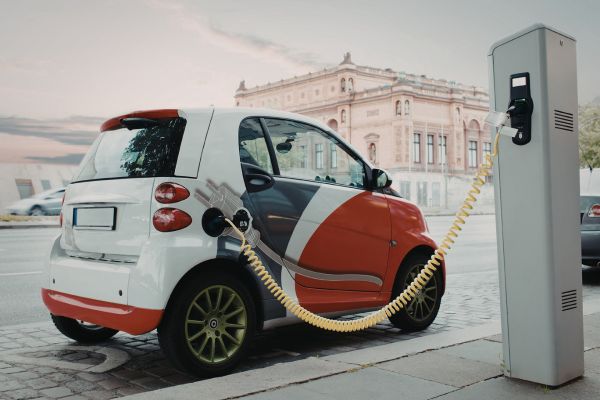
When people imagine greener transportation, they often picture the vehicle on the road. They think about fuel economy, electric drivetrains, charging stations, or tailpipe emissions. Yet a large part of a car’s environmental impact happens before it ever reaches a driveway. Mining materials, processing metals, manufacturing batteries, transporting parts, painting body panels, and assembling components all require energy and resources.
That is why eco-friendly car manufacturing has become one of the most important conversations in modern mobility. A cleaner vehicle should not only operate more efficiently. It should also be built more responsibly.
Manufacturing is complex, global, and resource-intensive. There is no single switch that makes it sustainable overnight. Progress usually comes through dozens of better decisions across energy use, materials, waste reduction, logistics, design, and supply chain accountability.
The future of cleaner cars depends as much on factories as on roads.
Why Manufacturing Matters So Much
Automotive production is massive in scale. Millions of vehicles are built each year, each containing steel, aluminum, plastics, glass, rubber, electronics, textiles, and increasingly sophisticated battery systems.
Producing these materials creates emissions, consumes water, and generates waste. Some processes, such as steelmaking or aluminum refining, can be especially energy-intensive.
This means a vehicle’s environmental story begins long before driving starts.
Eco-friendly car manufacturing aims to reduce that hidden footprint rather than ignoring it.
Renewable Energy in Production Facilities
One of the clearest best practices is powering factories with cleaner electricity.
Manufacturing plants use significant energy for robotics, lighting, climate control, welding, stamping, painting, battery assembly, and testing. When this energy comes from coal-heavy grids, emissions rise quickly.
Shifting to solar, wind, hydro, geothermal, or cleaner grid mixes can lower production emissions substantially over time.
Some facilities also combine on-site renewable generation with energy storage systems to improve resilience and reduce peak demand.
Cleaner factories begin with cleaner power.
Smarter Material Choices
Materials shape both vehicle performance and environmental impact.
Recycled steel and aluminum can reduce demand for virgin extraction and lower energy use compared with some primary production routes. Recycled plastics, responsibly sourced textiles, natural fibers, and low-impact composites may also play a role.
At the same time, materials must still meet safety, durability, and engineering standards.
Eco-friendly car manufacturing is not simply about replacing everything with something labeled green. It is about using materials wisely, safely, and efficiently.
Lightweight Design Without Waste
Lighter vehicles often require less energy to move, whether powered by fuel or electricity. That creates strong motivation for lightweight design.
However, lightweighting should be thoughtful. Exotic materials with high production impacts may not always deliver the best total environmental outcome. The balance between weight reduction, recyclability, cost, and durability matters.
Sometimes intelligent structural design can save material without sacrificing strength.
Using less can be as powerful as switching materials.
Water Conservation in Factories
Vehicle manufacturing uses water for cooling, cleaning, surface treatment, painting, and facility operations. In water-stressed regions, this becomes especially important.
Modern best practices include water recycling systems, rainwater capture, leak detection, closed-loop processes, and wastewater treatment that allows safe reuse where possible.
Reducing water waste often receives less attention than carbon emissions, but it is a critical part of responsible industrial production.
Sustainability is broader than energy alone.
Cleaner Paint and Finishing Processes
Automotive paint shops are traditionally among the more energy-intensive and chemically sensitive parts of manufacturing.
Drying ovens, ventilation systems, coatings, and solvents all contribute environmental challenges. Newer methods aim to reduce volatile organic compounds, lower curing temperatures, improve overspray capture, and optimize robotic application for less waste.
Even small efficiency gains matter at large scale.
When millions of vehicles are painted, modest improvements multiply quickly.
Waste Reduction and Circular Manufacturing
Factories generate scrap metal, packaging waste, plastic offcuts, defective parts, pallets, and countless smaller waste streams.
Eco-friendly car manufacturing increasingly focuses on circular systems: reusing materials internally, recycling scrap directly, redesigning packaging, repairing rather than discarding components when feasible, and partnering with recyclers.
The most sustainable waste is often waste that never gets created.
This mindset changes how factories think from the start.
Sustainable Battery Production
As electric vehicles expand, battery manufacturing has become central to automotive sustainability.
Battery production can be energy-intensive, and sourcing materials such as lithium, nickel, cobalt, graphite, and copper raises environmental and ethical questions depending on extraction practices.
Best practices include cleaner energy use in battery plants, improved material efficiency, traceable supply chains, safer chemistry development, and stronger recycling systems to recover valuable metals.
The battery conversation is not only about chemistry. It is about governance and systems.
Responsible Supply Chains
A car is assembled in one place but sourced from many others. Components may come from dozens of countries and hundreds of suppliers.
That means factory sustainability alone is not enough. If upstream suppliers rely on highly polluting processes or poor labor practices, the final product still carries those costs.
Responsible sourcing includes emissions transparency, labor standards, environmental audits, and collaboration to improve supplier performance.
Modern manufacturing is networked. Responsibility must be too.
Efficient Logistics and Transport
Parts move constantly across global supply chains by truck, rail, ship, and sometimes air freight.
Better planning can reduce emissions through route optimization, regional sourcing where practical, fuller loads, lower-emission transport modes, and smarter inventory systems that avoid urgent inefficient shipments.
Even packaging design can matter by fitting more components per container.
Transportation is often invisible to consumers, but not insignificant.
Designing Cars for Repair and Recycling
A sustainable car should be easier to maintain and eventually easier to dismantle responsibly.
When components are repairable, modular, or replaceable, vehicles may stay in service longer. When materials are clearly separated and labeled, recycling becomes more efficient at end of life.
Design decisions made early can shape environmental outcomes years later.
Eco-friendly car manufacturing includes thinking beyond the showroom.
Digital Tools and AI for Efficiency
Modern factories increasingly use sensors, data analytics, and AI systems to reduce waste, predict maintenance needs, optimize energy use, and improve production accuracy.
A machine that fails unexpectedly may waste time, materials, and power. Predictive systems can reduce that risk. Smarter scheduling may lower idle energy use. Better quality control reduces scrap.
Technology alone is not sustainability, but it can support it meaningfully.
Challenges That Still Remain
Despite progress, major challenges persist.
Heavy industry decarbonization is difficult. Clean electricity is uneven globally. Some recycled materials remain limited in supply. Battery demand is rising rapidly. Supply chains can be opaque. Consumer demand for larger vehicles may offset efficiency gains.
There is also the risk of green branding outpacing measurable change.
Real progress requires data, transparency, and patience.
What Consumers Can Learn
Buyers may not control factory decisions directly, but awareness matters. Looking beyond tailpipe claims and considering durability, efficiency, repairability, and manufacturer transparency can encourage better industry behavior over time.
Keeping vehicles longer, maintaining them well, and choosing right-sized models also supports sustainability.
The cleanest car is not always the newest one.
Conclusion
Eco-friendly car manufacturing is about transforming how vehicles are made from the ground up. Cleaner energy, smarter materials, water conservation, waste reduction, responsible battery production, efficient logistics, and circular design all help reduce the hidden footprint of transportation. No single innovation solves everything, but together these practices move the industry toward more responsible production. As drivers look for sustainable choices, it is worth remembering that the journey begins long before the engine starts or the battery charges. The future of cleaner mobility depends on cleaner manufacturing too.