A car’s paint goes through more than most drivers realize. Every trip exposes it to road grit, sun, rain, bird droppings, insects, loose stones, tree sap, careless parking, and the occasional mystery mark that seems to appear from nowhere. Even when a car is washed regularly, the paint can slowly collect tiny chips, scratches, and dull patches that make it look older than it really is.
That is where paint protection film comes into the conversation. It is one of those upgrades people often hear about after buying a new car or restoring an older one, but the real value is not always explained clearly. The main paint protection film benefits are practical: it helps preserve the finish, reduces visible damage, and keeps the car looking cleaner and newer for longer. It is not magic, and it does not make a car invincible, but it can make a noticeable difference in everyday use.
What Paint Protection Film Actually Does
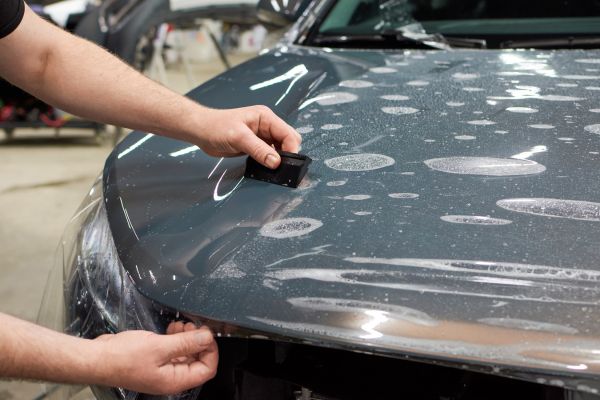
Paint protection film, often called PPF, is a transparent layer applied over painted surfaces of a vehicle. It is usually placed on areas that face the most abuse, such as the front bumper, hood, fenders, side mirrors, door edges, rocker panels, and sometimes the entire car.
The film acts like a barrier between the paint and the outside world. Instead of small stones or road debris hitting the clear coat directly, they hit the film first. That simple separation is what makes PPF useful. The car’s original paint remains underneath, shielded from many of the marks that usually build up over time.
Modern films are designed to be clear enough that they do not change the look of the car when installed properly. On glossy paint, the finish still looks glossy. On matte paint, special matte films can help preserve that softer appearance. The goal is protection without making the car look wrapped or covered.
Protection Against Stone Chips and Road Debris
One of the strongest reasons people consider PPF is stone chip protection. Anyone who drives on highways, rural roads, or construction-heavy streets knows how quickly the front end of a car can pick up tiny chips. They may seem small at first, but they catch the eye, especially on darker paint colors.
Paint protection film absorbs much of that impact. It does not stop every possible mark, particularly from larger or sharper objects, but it greatly reduces the kind of small chips that usually appear on the bumper, hood, and mirror caps. For drivers who spend a lot of time on fast roads, this benefit alone can be meaningful.
There is also a quiet satisfaction in cleaning the front of a car and not finding a new mark every time. It makes maintenance feel less like a losing battle.
Helps Reduce Light Scratches and Swirl Marks
Car paint is surprisingly easy to mark. A rough towel, dirty sponge, jacket zipper, fingernails around door handles, or a careless brush against the side panel can leave light scratches. Over time, these small marks collect and create a tired, hazy look.
Many modern paint protection films have self-healing properties. This means light surface marks in the film can soften or disappear with warmth from sunlight, warm water, or gentle heat. It is not the same as repairing deep damage, but for fine swirls and shallow scuffs, it can help keep the surface looking smooth.
This is especially useful around high-contact areas. Door cups, trunk ledges, and side sills often suffer from repeated touching and loading. A film layer in these spots can prevent the paint from taking the damage directly.
Keeps the Original Paint in Better Condition
Original factory paint matters. It affects the look of the car, the way it ages, and often its resale appeal. Repainted panels can be done well, but they are still not the same as untouched factory paint. Color matching, texture, and long-term durability can vary.
PPF helps preserve that original finish by reducing exposure to everyday damage. This can be especially valuable for newer cars, luxury vehicles, sports cars, collectible models, or simply any car the owner plans to keep in good condition. Even on a daily driver, protecting the paint can make the car feel newer for years.
The benefit is not only visual. When paint chips expose the surface beneath, they may invite rust or corrosion depending on the panel material and local climate. Preventing those chips helps protect more than appearance.
Easier Cleaning After Bugs, Sap, and Bird Droppings
Some marks are not just ugly; they can be harsh on paint. Bird droppings, insect remains, and tree sap can stain or etch the clear coat if left too long. Hot weather makes this worse because contaminants can dry quickly and become stubborn.
Paint protection film gives the surface an extra layer of defense. It does not mean you can ignore messes forever, but it gives you a little more room to clean them safely. Bugs and grime often wipe away more easily from a protected surface, especially when the film is maintained properly.
This matters for people who park outdoors or drive long distances. A car’s front end can collect insects quickly, and cleaning them off bare paint too aggressively can cause scratches. With PPF, the film takes the cleaning contact instead of the original finish.
Maintains a Cleaner, Glossier Appearance
A protected car often looks fresher because the paint beneath is not constantly being worn down by road dust and contact. Quality film can enhance the appearance of gloss paint by giving the surface a smooth, clear finish. When paired with careful washing, it can help the car hold that recently detailed look for longer.
This is one of the more subtle paint protection film benefits. It is not only about preventing obvious chips. It is also about slowing the dulling effect that comes from thousands of tiny interactions with the environment. The cleaner the surface stays, the easier it is to enjoy the car’s design and color.
For darker cars, where every swirl and scratch seems to show up under sunlight, PPF can be especially helpful. It reduces the amount of visible wear that would normally make black, navy, red, or deep green paint look tired.
Useful for High-Impact Areas or Full Coverage
Not every car needs full-body paint protection film. For many drivers, partial coverage makes more sense. The front bumper, hood edge, mirrors, headlights, door edges, and handle cups are the areas most likely to show wear first. Protecting these spots can offer a practical balance between cost and coverage.
Full coverage is usually chosen by owners who want maximum preservation. It protects more panels from scratches, stains, and minor contact, but it is a bigger investment. The right choice depends on how the car is used, where it is parked, how long it will be kept, and how much the owner cares about cosmetic condition.
A commuter car, weekend car, and show car all live different lives. PPF works best when the coverage matches the way the vehicle is actually driven.
Supports Resale Value by Preserving Appearance
When it comes time to sell or trade a car, condition matters. Buyers notice paint damage quickly. A clean, well-kept exterior suggests the car has been cared for, even before anyone checks the service history.
Paint protection film can help support resale value by keeping visible panels in better condition. A front bumper without heavy stone chips, door edges without scuffs, and hood paint without repeated marks can make the car feel younger. Of course, PPF is only one part of ownership. Regular washing, safe parking, and proper maintenance still matter.
Still, appearance has emotional power. A car that looks cared for often creates more trust than one with tired, chipped paint.
What Paint Protection Film Cannot Do
It is important to keep expectations realistic. PPF is protective, but it is not armor. It may not stop deep scratches, dents, major impacts, poor washing habits, or damage from sharp objects. It also needs proper installation. Badly installed film can show bubbles, edges, trapped dust, or uneven lines.
The film itself also ages. Over time, depending on quality, climate, care, and sun exposure, it may need replacement. Harsh chemicals, abrasive polishing, and neglect can shorten its life. Like any protective layer, it performs best when treated sensibly.
Understanding these limits makes the benefits easier to appreciate. PPF is not about avoiding all damage. It is about reducing common wear and keeping the paint in better shape through normal driving.
Conclusion
Paint protection film is most valuable because it protects the parts of a car that face daily punishment. It helps reduce stone chips, light scratches, stains, and surface wear while preserving the original paint underneath. For drivers who care about a fresh, well-maintained exterior, those benefits can add up over time.
The best way to think about PPF is as a quiet layer of prevention. You may not notice it every time you drive, and that is partly the point. The car simply stays cleaner, smoother, and better preserved than it might have otherwise. In a world where even a short drive can leave marks behind, that kind of protection feels practical, sensible, and worth understanding.