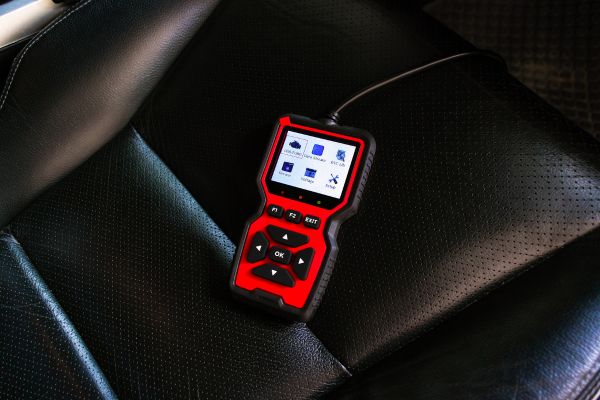
A check engine light never appears at a convenient time. It usually shows up on the way to work, during a weekend drive, or right before a long trip when the car seemed perfectly fine the day before. For many drivers, that little warning light creates more questions than answers. Is it something minor? Is the car safe to drive? Will the repair be expensive? This is exactly why OBD2 scanners have become such practical tools for modern car owners.
The market for top OBD2 scanners has grown quickly because today’s vehicles rely heavily on electronic systems. A scanner can help read trouble codes, check emissions readiness, view live data, and sometimes access deeper vehicle systems such as ABS, airbags, transmission, or battery management. But not every scanner is designed for the same type of user. Some are simple code readers for everyday drivers, while others are advanced tools built for serious DIY mechanics and technicians.
Choosing the right one in 2026 is less about buying the most expensive device and more about understanding what level of information you actually need.
What Makes an OBD2 Scanner Useful Today
An OBD2 scanner connects to the diagnostic port of your vehicle and communicates with the car’s onboard computer. When the vehicle detects a problem, it stores a diagnostic trouble code. The scanner reads that code and helps explain where the issue may be coming from.
That sounds simple, but the quality of the scanner makes a big difference. A very basic tool may only show a code such as P0301, which points to a misfire in cylinder one. A better scanner may also show freeze-frame data, fuel trim readings, engine temperature, oxygen sensor behavior, and other details that help explain why the code appeared.
This is where the real value begins. A scanner should not just give you a code; it should help you understand the situation. It may not replace a trained mechanic, but it can stop you from walking into a repair conversation completely blind.
Basic Code Readers for Everyday Drivers
For many car owners, a basic OBD2 code reader is enough. These scanners are usually small, affordable, and easy to use. You plug the device into the car’s diagnostic port, turn on the ignition, and read the stored codes. Most can also clear codes after a repair has been made.
These scanners are best for drivers who want to understand why the check engine light is on before visiting a repair shop. They are also helpful if you want to check whether your car is ready for an emissions test. Some basic readers show I/M readiness status, which tells you whether the vehicle’s emissions monitors have completed their checks.
The limitation is that basic scanners usually focus on engine-related codes only. They may not read ABS, airbag, transmission, or manufacturer-specific systems. For someone who only needs occasional check engine light information, that is acceptable. For deeper troubleshooting, it may feel too limited.
Bluetooth OBD2 Scanners for Phone-Based Use
Bluetooth scanners have become popular because they are compact and easy to carry. Instead of using a built-in screen, they connect to a smartphone app. This gives users a more visual experience, often with graphs, dashboards, saved reports, and code explanations.
For drivers who like using their phone for everything, this type of scanner can be very convenient. Many apps make it easy to view live engine data, track fuel economy, monitor sensor readings, and clear codes. Some also provide repair suggestions, though those suggestions should always be treated as guidance rather than a final diagnosis.
The main thing to watch with Bluetooth scanners is app quality. The hardware may be simple, but the app determines how useful the experience feels. A good app can make even a small adapter surprisingly powerful. A poor app can make the scanner frustrating, slow, or confusing.
Bluetooth scanners are a strong choice for people who want flexibility and do not mind using a phone during diagnostics. They are especially useful for drivers who enjoy checking data in a more visual way.
Mid-Range Scanners for Home Mechanics
A mid-range OBD2 scanner is often the best balance for people who do some of their own maintenance. These tools usually offer more than basic code reading but do not reach the cost or complexity of professional workshop scanners.
A good mid-range scanner may read engine, transmission, ABS, and airbag codes. It may show live data more clearly, support freeze-frame information, and provide service reset functions. Some can reset oil lights, battery management systems, electronic parking brakes, or steering angle sensors, depending on the vehicle.
This level is useful because modern cars are not limited to simple engine problems. A warning light can come from many electronic modules. If your scanner only reads engine codes, you may still be left guessing when another system triggers a warning.
For DIY users, live data is especially valuable. Watching coolant temperature, fuel trims, throttle position, and oxygen sensor activity can reveal patterns that a simple code cannot explain. A mid-range scanner gives you more context, which usually leads to better decisions.
Advanced Scanners for Serious Diagnostics
Advanced scanners are designed for people who need deeper access to vehicle systems. These tools may support all-system scanning, manufacturer-specific diagnostics, service functions, and sometimes bidirectional controls. Bidirectional control allows the scanner to command certain components to operate for testing, such as turning on a fan, activating a pump, or cycling a solenoid.
This type of scanner is more than most casual drivers need. However, for serious DIY mechanics, small garage owners, or people working on multiple vehicles, it can save a lot of time. Instead of guessing whether a component works, the scanner can help test it directly.
Advanced scanners also tend to offer better vehicle coverage, more detailed reports, and stronger update support. The downside is cost and learning curve. More features mean more menus, more data, and more responsibility to interpret the information correctly.
If you are not comfortable reading live data or understanding how systems work together, an advanced scanner may feel overwhelming. But for the right user, it can be an excellent long-term tool.
Key Features to Look for in 2026
When comparing top OBD2 scanners, the most important features depend on how you plan to use the tool. Still, some features are worth paying attention to across nearly every category.
Clear code definitions are important because a scanner should help you understand what the trouble code means. Freeze-frame data is also useful because it shows what was happening when the fault appeared. Live data matters for diagnosis because it lets you observe engine behavior in real time.
Vehicle compatibility is another major factor. Basic OBD2 functions are standardized, but deeper systems vary between manufacturers. A scanner that works well on one car may not access every system on another. This is especially important for European cars, diesel vehicles, hybrids, and newer models with complex electronics.
Software updates should not be ignored either. Vehicles change every year, and scanner coverage can become outdated. Some scanners include free updates, while others require paid subscriptions. Before buying, it is worth checking whether updates are simple, reliable, and reasonably priced.
Why Emissions Readiness Still Matters
One feature many drivers overlook is emissions readiness. If your car recently had a dead battery, a repair, or cleared codes, the onboard monitors may not be ready yet. Even if the check engine light is off, the vehicle may still fail an emissions inspection because the monitors have not completed their checks.
A scanner with I/M readiness can show whether the car is ready before you go for testing. This small feature can save time and frustration. It is especially useful if you live in an area where emissions inspections are required.
For everyday drivers, this may be one of the most practical scanner functions. It does not require advanced mechanical knowledge, but it gives clear and helpful information.
The Problem With Relying Only on Trouble Codes
One common mistake is assuming a trouble code tells you exactly which part to replace. It usually does not. A code points to a system or condition, not always a failed component.
For example, a lean fuel mixture code could be caused by a vacuum leak, weak fuel pump, dirty mass airflow sensor, exhaust leak, or several other issues. Replacing parts based only on the code can become expensive and frustrating.
The best way to use an OBD2 scanner is to treat it as the beginning of diagnosis. It tells you where to look. From there, live data, visual inspection, repair history, and proper testing help confirm the real cause.
This is why a slightly better scanner can be worth it for DIY users. More data means fewer guesses.
Matching the Scanner to Your Skill Level
The best scanner for one person may be completely wrong for another. A beginner may benefit most from a simple handheld scanner with clear menus and plain-language code descriptions. A weekend mechanic may need live data, ABS access, and service resets. A more experienced user may want advanced functions and full-system coverage.
There is no shame in choosing a simple tool. In fact, a scanner that is easy to understand often gets used more than one packed with features you never touch. The goal is not to own the most advanced device. The goal is to make better decisions about your car.
Before choosing, think about how often you will use it. If you only want peace of mind when the check engine light appears, basic is fine. If you maintain several vehicles or enjoy diagnosing problems yourself, a stronger tool will make more sense.
Final Thoughts on the Top OBD2 Scanners for 2026
The top OBD2 scanners in 2026 are not all trying to serve the same driver. Some are built for quick code checks, some turn a phone into a useful diagnostic screen, and others provide deep access for people who understand vehicle systems more seriously. The right choice depends on your car, your confidence level, and how much information you want before making repair decisions.
A good scanner gives clarity. It turns a warning light into something you can investigate instead of something you simply worry about. It may not solve every problem by itself, but it gives you a better starting point, and sometimes that is exactly what you need.
For everyday drivers, home mechanics, and anyone who wants to understand their vehicle more clearly, an OBD2 scanner is one of the most useful tools to keep nearby. In a world where cars are becoming more electronic every year, having access to your vehicle’s own diagnostic information is no longer just for professionals. It is practical, sensible, and often reassuring.