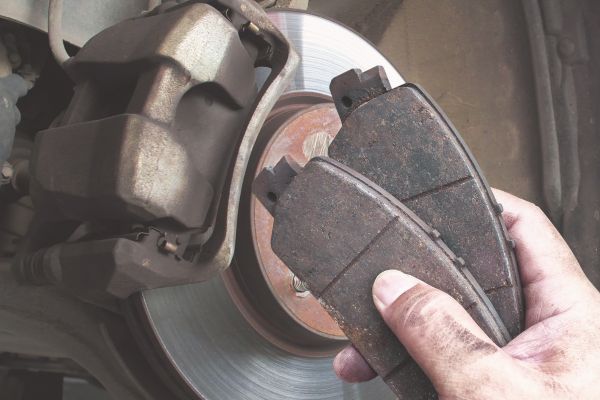
Why Brake Pads Deserve More Attention
Brake pads are not the most glamorous part of a car, but they are among the most important. Most drivers think about them only when there is a squeal, a vibration, or that slightly uneasy feeling when the car takes longer to stop than it used to. By then, the question usually becomes practical: should you choose factory-style brake pads or go with an aftermarket option?
The debate around aftermarket vs OEM brake pads is not just about price. It is about how the car feels, how it stops, how often the pads need replacing, and what kind of driving you do every day. A quiet family SUV, a daily commuter, a heavy pickup, and a sporty sedan may all need something slightly different from their brakes.
Understanding the difference helps you make a decision that feels sensible, not rushed.
What OEM Brake Pads Really Mean
OEM stands for Original Equipment Manufacturer. In simple terms, OEM brake pads are designed to match the brake pads your vehicle came with from the factory. They are either made by the vehicle manufacturer or by a supplier approved to produce parts according to the manufacturer’s specifications.
That does not always mean the car company physically makes the pads. Often, a specialist brake manufacturer produces them under contract. What matters is that the pad material, fit, noise behavior, and general braking feel are designed to stay close to the original driving experience.
For many drivers, this is the biggest appeal of OEM pads. They feel familiar. The pedal response, noise level, and stopping behavior are usually predictable because the pads were selected to work with that vehicle’s braking system as a whole.
What Aftermarket Brake Pads Offer
Aftermarket brake pads are made by companies outside the vehicle’s original factory supply chain. They are built to fit specific makes and models, but they may use different materials, designs, and performance goals.
This category is very broad. Some aftermarket pads are budget replacements made for basic daily driving. Others are premium pads designed for longer life, lower dust, improved stopping power, towing, spirited driving, or track use. That wide range is both the advantage and the challenge.
When comparing aftermarket vs OEM brake pads, it is important not to treat all aftermarket parts as one thing. A low-cost pad and a high-performance ceramic pad may technically both be aftermarket, but they can behave very differently on the road.
The Driving Feel Difference
Brake feel is one of those things drivers notice even if they do not have the words for it. Some pads bite quickly with very little pedal pressure. Others feel smoother and more gradual. Some feel firm when cold but sharper once warmed up.
OEM brake pads are usually tuned for balance. Automakers want brakes that feel comfortable, quiet, and predictable for the average driver. They need to work in rain, heat, traffic, cold mornings, and highway conditions without requiring special attention.
Aftermarket pads can be more tailored. A performance pad may offer stronger bite and better resistance to fade under hard braking. A comfort-focused ceramic pad may produce less dust and noise. A heavy-duty pad may handle towing or mountain driving better than a standard factory pad. The tradeoff is that a pad designed for one advantage may give up something else, such as extra noise, more dust, or a firmer pedal feel.
Noise, Dust, and Everyday Comfort
For daily driving, comfort matters more than many people admit. A brake pad that stops well but squeaks at every traffic light can become annoying quickly. Dust is another common issue, especially on cars with bright alloy wheels.
OEM pads are generally chosen to keep noise and vibration under control. They may not always be the longest-lasting or most aggressive option, but they are usually designed to behave politely in normal use.
Aftermarket pads vary widely. Ceramic pads are often popular because they tend to create less visible brake dust and can be quieter than some metallic options. Semi-metallic pads may provide strong braking and heat handling, but they can sometimes be noisier or harder on rotors. Organic pads may feel smooth and quiet, though they may wear faster under heavier use.
The right choice depends on what bothers you most. Some drivers care deeply about clean wheels. Others care more about firm stopping power. Some just want silence.
Performance and Heat Resistance
Brakes convert motion into heat. That sounds simple, but it explains why driving style matters so much. A car used mainly for school runs and office commutes does not stress its brakes the same way as a car driven through hills, heavy traffic, or high-speed roads.
OEM pads are usually more than adequate for normal driving. They are tested for the vehicle and built to deliver safe, consistent stopping in everyday situations. For the majority of drivers, that is enough.
Aftermarket brake pads become interesting when the driving demands change. If you tow a trailer, drive in mountainous areas, carry heavy loads, or enjoy sharper driving, some aftermarket pads may handle heat better. Better heat resistance can reduce brake fade, which happens when repeated hard braking makes the pads less effective.
Still, more performance is not always better for ordinary driving. Some high-performance pads need heat to work at their best. In slow city traffic, they may feel less smooth or create more noise than expected.
Durability and Rotor Wear
Every brake pad wears down. The question is how quickly, and what it does to the rotor while wearing. A pad that lasts longer may be harder. A pad that feels softer and quieter may wear faster. It is not always a simple win either way.
OEM brake pads usually aim for a balanced wear pattern. They are designed to work with the factory rotors, which can help maintain consistent braking and avoid premature damage when used normally.
Aftermarket pads can offer longer life, but the material matters. Some aggressive semi-metallic pads may last well but wear rotors faster. Some ceramic pads may be gentle and clean, but performance varies by brand and formulation. A cheap pad may save money at first but lead to noise, uneven wear, or earlier replacement.
The smartest approach is to look at the whole brake system, not just the pad price. Pads, rotors, calipers, driving habits, and installation quality all affect the final result.
Cost and Value Over Time
Price is often where the aftermarket vs OEM brake pads decision begins. OEM pads are usually more expensive, especially when purchased through a dealership. Part of that cost comes from factory matching and brand packaging. For some drivers, the peace of mind is worth it.
Aftermarket pads often offer more price flexibility. You can find basic, mid-range, and premium options, which makes it easier to choose according to budget and driving needs. A good aftermarket pad can deliver excellent value, especially if it matches your vehicle and usage well.
But cheaper is not always better value. If a low-cost pad creates noise, wears quickly, or damages rotors, the saving disappears. On the other hand, paying extra for performance pads you do not need may also be unnecessary. Good value sits somewhere between cost, comfort, stopping behavior, and lifespan.
Fitment and Installation Quality
Even a well-made brake pad can perform badly if it is not installed correctly. Proper fitment is essential. Pads must match the vehicle’s braking system, and hardware such as clips, shims, and lubricated contact points can affect noise and smoothness.
OEM pads usually fit with very little uncertainty because they are made to factory specifications. Aftermarket pads can also fit perfectly, but quality control and design accuracy vary. Choosing pads from a reputable range and confirming exact vehicle compatibility helps avoid problems.
Installation matters just as much as the part itself. Rotors may need resurfacing or replacement. Caliper slide pins may need cleaning and lubrication. Brake fluid condition can affect pedal feel. If these details are ignored, new pads may not solve the real issue.
Which Brake Pads Make Sense for Your Car
For a newer car still under warranty, OEM pads can be the simplest choice. They preserve the original braking feel and reduce guesswork. They are also a comfortable option for drivers who do not want to compare materials and performance categories.
For older cars, daily commuters, and drivers who want more choice, quality aftermarket pads can make a lot of sense. They may offer lower dust, better durability, or improved braking for specific driving conditions. The key is choosing based on need rather than price alone.
A quiet suburban driver does not need the same pad as someone who regularly drives steep roads. A performance enthusiast may accept more dust or noise for better braking feel. A family car may benefit most from smooth, quiet, predictable stops.
Conclusion
Choosing between aftermarket vs OEM brake pads is really about understanding your car and your driving life. OEM pads offer familiarity, consistency, and factory-style comfort. Aftermarket pads offer variety, flexibility, and the chance to fine-tune braking behavior around real-world needs.
There is no single best answer for every driver. The best brake pad is the one that fits properly, stops confidently, wears reasonably, and feels right in the situations you face most often. Brakes are not a place for guesswork, but they do reward thoughtful choices. When you match the pad to the car and the way you drive, every stop feels a little more certain.