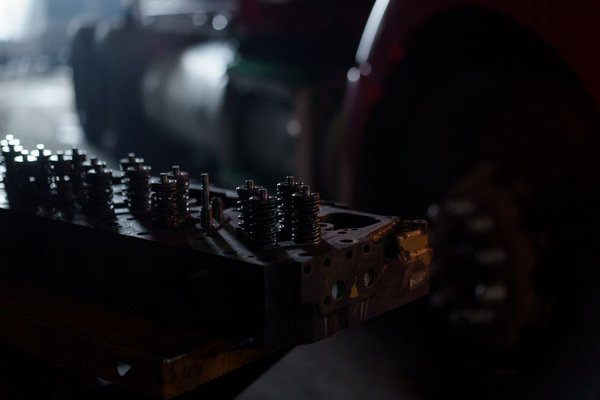
A tapping noise beneath the hood can be difficult to identify. Is a valve lifter clicking near the top of the engine, or is something knocking deeper inside? The distinction matters because a valvetrain fault and a damaged connecting rod bearing have very different consequences.
When comparing engine knock vs lifter tick, focus on the pitch, apparent location, response to engine speed, and changes with temperature or load. No single clue provides a diagnosis. Together, however, they can tell you whether to arrange a routine inspection or stop driving immediately.
Engine Knock vs Lifter Tick: Quick Comparison
Lifter tick is commonly a sharp, repetitive metallic click from around the cylinder head or valve cover. Mechanical rod knock often sounds deeper, like a hollow metallic rap from the lower engine. A knock may become more pronounced when engine load changes.
Both noises can speed up as RPM rises. Engine design and sound transmission affect what you hear, so volume or rhythm alone cannot reliably separate them.
What Causes Each Noise?
Why lifters tick
Lifters help transfer camshaft movement through the valve-operating mechanism. Excess clearance, wear, or a hydraulic lifter that cannot maintain its intended adjustment may cause tapping. Low oil level, inadequate oil pressure, restricted oil passages, or incorrect oil specification can contribute.
Not every engine uses the same lifter design. Some have hydraulic lash compensation; others use mechanical adjustment or different valvetrain layouts. Proper lifter noise diagnosis must follow the engine manufacturer’s design and procedures.
Why rod bearings knock
In a rod knock vs lifter tick comparison, rod knock means a noise associated with excessive clearance or damage at a connecting rod bearing on the crankshaft. Repeated contact under changing forces can create a deep metallic knock. Continuing to run the engine may cause severe internal damage.
Be careful with the term “engine knock.” Drivers also use it for combustion knock, or pinging, caused by abnormal combustion. Pinging during acceleration is not the same thing as a damaged connecting rod bearing.
Clues That Separate Knocking From Ticking
Pitch: sharp click or heavy rap?
A lifter tick often resembles a quick tap against metal. Rod knock is usually described as lower-pitched and heavier. These are tendencies, not hard rules: a worn valvetrain can sound harsh, and a serious internal knock can start quietly.
Location: top or bottom of the engine?
Ticking strongest near the valve cover suggests a possible valvetrain fault. Knocking that appears stronger around the engine block or oil pan raises concern about lower-engine components. Vibrations travel through metal, however, so the loudest apparent spot can be misleading.
Never reach near moving belts, pulleys, fans, or hot exhaust parts to locate a sound. Leave close-range testing to a technician.
RPM and load: what changes?
The frequency of either sound may rise with engine speed. More useful is how its intensity responds to normal driving load. Rod knock may become more pronounced during acceleration; some lifter ticks remain steady or soften as oil pressure increases. Neither pattern is universal.
Do not repeatedly rev or deliberately load an engine with an unexplained knock. Doing so could worsen damage.
Temperature: cold start or warm engine?
Some hydraulic lifters tick briefly on startup as oil circulation stabilizes. But a tick that fades when warm does not prove it came from a lifter: certain piston noises can behave similarly. Bearing knocks may persist or become more noticeable when hot. Recurring startup noise deserves investigation too.
Two Real-World Examples
Imagine your car makes a fine ticking sound for several seconds after a cold start, then becomes quiet. It seems loudest near the upper engine, and there are no warning lights. A lifter could be responsible, but an exhaust leak or another component is also possible.
Now imagine a deeper metallic knock that remains after warming up and becomes obvious during acceleration. That pattern raises concern about internal damage. Pull over safely, shut off the engine, and arrange professional assistance rather than driving farther to collect more clues.
Safe Checks Before You Visit a Mechanic
Start with the dashboard. An oil-pressure warning, overheating, severe new knocking, or major power loss requires stopping safely and turning the engine off. Arrange towing rather than risking further damage.
Once parked with the engine off, check the oil level using the owner’s manual procedure. Low oil can contribute to ticking and knocking, but a normal level does not establish that oil pressure is adequate.
Make a short note of when the sound occurs: cold startup, warm idle, steady cruising, or acceleration. Describe whether it is a crisp tick or a deeper rap, and whether it recently became louder. A recording taken from a safe position may help a mechanic understand the symptom.
A workshop can inspect lubrication condition, measure oil pressure, investigate the valvetrain, and exclude exhaust or accessory noises. Diagnosis comes before replacing parts based on the sound alone.
Other Engine Noises Worth Ruling Out
The engine tick vs knock question is not always a two-way choice. Fuel injectors can click during normal operation, particularly on some direct-injection engines. A small exhaust manifold leak can imitate ticking. Loose heat shields, timing-system wear, and piston slap may also create confusing rhythms.
Combustion pinging usually calls for separate checks involving fuel, temperature, or engine-control conditions. For a fuller picture of a knocking vs ticking engine, related topics include engine oil pressure warning signs, common causes of engine ticking, and engine knocking during acceleration.
Which Noise Is More Dangerous?
Suspected rod knock is generally more urgent because bearing damage may progress quickly and can end in engine failure. Do not keep driving to see whether it clears up.
Lifter tick is not necessarily harmless. Persistent clicking may indicate worn parts or a lubrication problem, and inadequate oil pressure can affect both upper and lower engine components. New or worsening noise should be checked promptly.
Frequently Asked Questions
Can lifter tick sound like rod knock?
Yes. Engine construction and vibration can make valvetrain noises sound deeper than expected. Sound alone is not enough; proper diagnosis includes operating conditions and mechanical tests.
Does rod knock always get louder during acceleration?
No. Loudness varies with load, RPM, temperature, and the extent of damage. A persistent metallic knock deserves attention even if acceleration does not amplify it.
Can an oil change stop lifter tick?
Correcting low oil or using manufacturer-specified oil may help some lubrication-related ticks. An oil change cannot repair a damaged bearing, worn lifter, or other failed part.
Is driving with an engine tick safe?
Some clicks are normal, but a new tick needs investigation. Stop driving if it occurs alongside low oil pressure, heavy knocking, overheating, or noticeable performance problems.
The Bottom Line
A sharp upper-engine tick suggests checking the valvetrain, while a deeper load-sensitive knock raises greater concern about internal bearings. These patterns help you decide what to do next, not what part to replace. When the sound is persistent or worsening, a qualified diagnosis is the safest path.