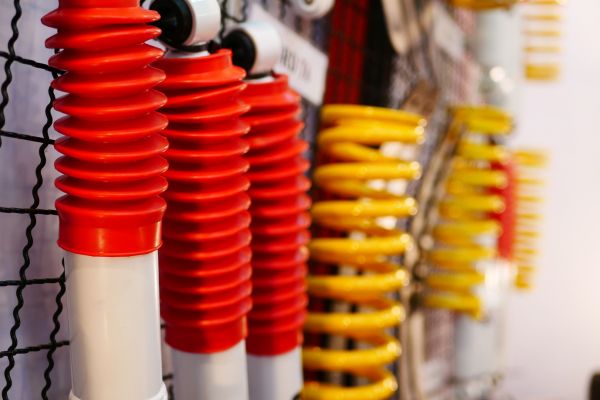
Lowering a car changes more than its appearance. Done properly, it can sharpen handling, reduce body roll, and give the vehicle a more planted stance. Done carelessly, it can create a harsh ride, poor alignment, uneven tire wear, and the kind of scraping that makes every speed bump feel like a personal attack.
For most drivers, the decision eventually comes down to lowering springs vs coilovers. Both options reduce ride height, but they achieve that goal in different ways. Lowering springs are generally simpler and more affordable, while coilovers offer greater control over height and suspension behavior.
The right choice depends on how the car is used, how much adjustability is needed, and how much compromise the driver is willing to accept. A daily commuter has different suspension needs from a weekend track car, even if both owners want the same aggressive stance.
How Lowering a Car Changes Its Behavior
A vehicle’s suspension controls how the tires respond to bumps, cornering forces, braking, and acceleration. Ride height is part of that equation, but it is not the only part.
Lowering the body reduces the vehicle’s center of gravity. In theory, this can reduce body roll and make the car feel more stable during quick direction changes. The shorter suspension travel and stiffer spring rates commonly associated with lowered setups can also make steering feel more immediate.
However, reducing ride height changes suspension geometry. Camber, toe, control-arm angles, and shock travel may all be affected. If the car is lowered too far without supporting modifications, the handling may become worse rather than better.
That is why the lowering springs vs coilovers comparison should not be treated as a styling decision alone. Both systems influence comfort, grip, tire wear, and long-term suspension health.
What Are Lowering Springs?
Lowering springs replace the factory coil springs while continuing to use the car’s existing shock absorbers or upgraded replacement dampers. They are shorter than the original springs and usually have a firmer spring rate.
Most lowering spring kits reduce ride height by a fixed amount. Depending on the design, the drop may be mild and practical or low enough to create a noticeably more aggressive appearance. Once installed, the height cannot normally be adjusted.
The main advantage is simplicity. A quality spring kit offers a predictable drop without introducing a large number of adjustable parts. For drivers who want a slightly lower stance and improved cornering without rebuilding the entire suspension, lowering springs can be an appealing solution.
They are also relatively discreet. The car may sit lower and feel tighter, but the setup can still behave much like the factory suspension when the springs are matched with suitable dampers.
What Are Coilovers?
A coilover combines a coil spring and shock absorber into a single suspension assembly. In most aftermarket systems, the assembly allows the ride height to be adjusted. More advanced versions may also provide control over damping, preload, and sometimes separate compression and rebound settings.
The word coilover is often associated with track cars, but modern coilover systems cover a broad range of uses. Some are designed for comfortable road driving, while others are extremely firm and intended for motorsport.
Height adjustment is the feature that attracts most buyers. The owner can raise or lower the car to suit wheel fitment, ground clearance, seasonal conditions, or personal preference. This flexibility makes coilovers especially popular with enthusiasts who regularly modify their setup.
The trade-off is complexity. More adjustment creates more opportunities to improve the car, but it also creates more ways to set it up badly.
Ride Quality and Everyday Comfort
Comfort is one of the biggest concerns when comparing lowering springs vs coilovers. Lowering any car generally makes the ride firmer because the suspension has less space to absorb bumps. The extent of that change depends on spring rates, shock valving, tire sidewalls, and the condition of the roads.
Mild lowering springs paired with well-matched dampers can preserve reasonable daily comfort. The ride may feel tighter over broken surfaces, but it should not become unbearable. Problems often arise when short, stiff springs are installed on worn factory shocks that were never designed for the reduced travel.
The shocks may struggle to control the stronger springs, creating a bouncy or unsettled ride. In other cases, the suspension repeatedly hits its bump stops, producing sharp impacts over potholes.
Coilovers vary much more widely. A street-focused kit can feel controlled and surprisingly compliant, particularly when damping is adjustable. A low-cost or track-oriented setup may feel harsh on ordinary roads, even when adjusted to its softest setting.
Price alone does not guarantee comfort, but good engineering usually matters. A properly developed coilover system should control movement without making the car crash over every surface imperfection.
Handling and Cornering Performance
Both options can improve handling, but the result depends on the quality of the components and the way the suspension is configured.
Lowering springs reduce body movement and can make the car feel more responsive. For spirited road driving, that may be all the improvement the driver needs. A balanced spring and damper combination can provide predictable handling without requiring regular adjustment.
Coilovers offer greater tuning potential. Ride height can be adjusted to manage weight transfer and suspension geometry, while damping controls can change how quickly the suspension responds.
On a track car, these settings can be used to fine-tune grip and balance. A driver may increase front or rear stiffness to alter turn-in behavior, corner-exit traction, or stability under braking.
Still, adjustability is not automatically an advantage. Incorrect damping settings can reduce grip, especially on rough roads. Suspension that is too stiff may cause the tires to skip across bumps instead of staying in contact with the surface.
A well-chosen fixed setup can outperform poorly adjusted coilovers. The component with the most adjustment knobs is not necessarily the component that makes the car faster.
Ride Height and Visual Appearance
Lowering springs provide a fixed stance. The manufacturer determines how much the vehicle will drop, although the final result can vary slightly depending on engine weight, trim level, and the condition of the existing suspension.
For many owners, this fixed height is convenient. There is no need to measure each corner or experiment with settings. Once the springs settle, the car maintains a consistent appearance.
Coilovers give the owner much more control. The gap between the tires and fenders can be adjusted, and the car can be raised if rubbing or ground-clearance problems appear.
This is useful when fitting wider wheels or changing tire sizes. It is also practical for drivers who need more clearance during winter or on poorly maintained roads.
The danger is lowering the car for appearance without considering suspension travel. A very low stance may cause the shocks to operate outside their intended range. The car may look impressive while handling poorly and scraping on ordinary roads.
Installation and Supporting Modifications
Installing lowering springs involves removing the factory struts, compressing the original springs, and transferring or replacing certain components. It is not always a simple driveway job, especially because spring compressors must be handled carefully.
Coilovers often arrive as complete assemblies, which can make installation more straightforward. However, setting the correct ride height, preload, and damping takes additional time.
Either option should be followed by a professional wheel alignment. Lowering alters suspension angles, and even a moderate drop can change toe settings enough to cause rapid tire wear.
More aggressive setups may require adjustable control arms, camber plates, shortened bump stops, upgraded top mounts, or modified anti-roll-bar links. These supporting parts help restore geometry and prevent binding.
Drivers should also consider the condition of related components. Installing new springs or coilovers while leaving worn bushes, damaged mounts, or failing ball joints in place can hide problems temporarily rather than solve them.
Cost and Long-Term Value
Lowering springs are usually the more economical choice. The springs themselves are less expensive than a complete coilover system, although labor and replacement dampers can increase the total cost.
If the factory shocks are already worn, fitting lowering springs alone may be false economy. The shocks may need to be replaced soon afterward, leading to a second round of labor charges.
Coilovers cost more initially because they include springs and dampers. Quality systems may also require periodic cleaning and inspection, particularly in areas where road salt and moisture can corrode the threaded adjustment collars.
Cheap coilovers can be tempting, but poorly controlled damping and weak seals may lead to an uncomfortable ride or early failure. A modest spring-and-damper combination is often a better investment than the least expensive adjustable setup available.
Which Setup Works Best for Daily Driving?
For a road car that needs to remain comfortable and dependable, lowering springs are often the sensible choice. A mild drop can improve appearance and reduce body roll without adding unnecessary adjustment.
They work particularly well for drivers who know the exact ride height they want and have no plans to change it later. Matching the springs with compatible performance dampers usually produces the best result.
Street-focused coilovers are better suited to owners who want flexibility. They allow the car to be raised or lowered, and adjustable damping can help balance comfort with sharper handling.
However, coilovers require patience. The setup needs to be measured, aligned, tested, and occasionally maintained. Drivers who never plan to use the adjustments may be paying for features they do not need.
Which Option Suits Track and Performance Use?
For regular track driving, quality coilovers usually provide the greater advantage. The ability to adjust height and damping allows the suspension to be tuned for different circuits, tires, and driving styles.
Coilovers can also support higher spring rates and more controlled weight transfer. When combined with proper alignment and corner balancing, they can significantly improve consistency.
Lowering springs can still suit occasional track-day use, especially when paired with strong dampers and performance tires. They offer a simpler setup that allows the driver to focus on learning rather than constantly changing suspension settings.
The deciding factor is how seriously the car will be used. A vehicle that visits a circuit once or twice a year may not require a highly adjustable suspension system.
Lowering Springs vs Coilovers: Making the Final Choice
The lowering springs vs coilovers debate does not have one answer for every driver. Lowering springs are affordable, straightforward, and well suited to mild street builds. They provide a fixed drop and can improve handling without making suspension setup overly complicated.
Coilovers offer more freedom. Ride height and, in many cases, damping can be adjusted to suit different roads, wheels, or performance goals. That flexibility is valuable, but it comes with higher cost, additional maintenance, and a greater need for careful setup.
The best choice is the one that fits the car’s real purpose. A daily driver should remain comfortable enough to use every day. A track car should prioritize grip, balance, and consistency. A visually focused build still needs enough suspension travel to remain safe and usable.
Lowering a car should make it feel more connected, not simply make it sit closer to the ground. When the components are chosen thoughtfully and installed with proper alignment, both lowering springs and coilovers can transform the driving experience in a genuinely satisfying way.