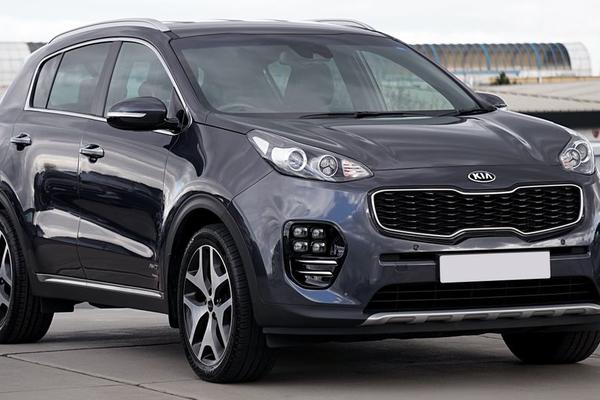
Choosing between the Hyundai Tucson and Kia Sportage is harder than their different styling suggests. These compact SUVs share much of their underlying engineering, yet their cabin layouts, equipment packages, and hybrid options can make one a noticeably better fit. For U.S. shoppers comparing the 2026 models, the smartest approach is to look beyond the badge and test the exact powertrain and trim you would buy.
Quick Verdict: Where Each SUV Stands Out
The Tucson makes a compelling case for buyers who favor a calm, understated interior and generous cargo space. The Sportage leans toward a bolder look, a spacious rear seat, and a particularly efficient front-wheel-drive hybrid. Neither is automatically the better SUV: the right choice depends on how often you carry passengers, how much you drive, and which features are included at your budget.
Comfort and Interior Space
Both vehicles are comfortable enough for everyday commuting and family trips, with supportive seating and useful rear legroom. The Sportage lists 41.3 inches of rear legroom for its gasoline model, an appealing figure when adults regularly ride in back. The Tucson is similarly roomy, so the distinction is better judged by sitting in each cabin than by comparing numbers alone.
Cargo Capacity: The Numbers Need Context
In an SUV cargo comparison, the 2026 gasoline Tucson advertises up to 41.2 cubic feet behind the rear seats, while Kia quotes up to 39.6 cubic feet for the gasoline Sportage with its adjustable cargo floor in the lower position. Hyundai also provides a lower SAE-measured figure of 38.7 cubic feet, illustrating why cargo measurements are not always directly comparable across published specifications.
Both have practical, wide-opening hatch areas. The useful test is whether your belongings fit with the rear seats occupied. If you routinely carry a stroller, two suitcases, and groceries, bring the stroller to the dealership. Check the height of the load floor, the room under the cargo cover, and whether the liftgate clears a low garage ceiling. Hybrid and plug-in hybrid cargo figures may differ from the gasoline versions.
Engines, Driving Feel, and All-Wheel Drive
The standard 2026 gasoline Tucson and Sportage each use a 187-horsepower 2.5-liter four-cylinder engine paired with an eight-speed automatic transmission. Expect competent acceleration rather than a sporty rush. Their overall character suits relaxed daily driving, although steering feel, tire choice, and suspension tuning can give them different personalities on the same road.
Hyundai Tucson vs Kia Sportage MPG
For the 2026 gasoline versions, the EPA estimates are effectively tied: both return 28 mpg combined with front-wheel drive and 26 mpg combined in most AWD configurations. One exception is the Sportage X-Pro Prestige AWD, rated at 24 mpg combined. Real-world results vary with weather, traffic, tires, and driving habits.
The hybrids change the comparison. The 2026 Sportage Hybrid front-wheel-drive model is rated at 42 mpg combined, versus 38 mpg combined for the Tucson Hybrid front-wheel-drive model. AWD Sportage Hybrids are rated at 35 mpg combined, while Tucson Hybrid AWD ratings vary by trim, at approximately 36 to 38 mpg combined. This means Kia has an efficiency advantage in the front-drive hybrid matchup, but Hyundai can be more competitive if you need AWD.
For a commuter covering 15,000 miles annually, the difference between 42 and 38 mpg works out to roughly 38 gallons of gasoline per year, based on EPA combined ratings. Multiply that by your local fuel price before paying substantially more for a particular trim. Our hybrid vs gas SUV costs guide can help frame the broader ownership calculation.
Technology: Focus on Features You Will Actually Use
A useful SUV technology comparison starts with your daily habits. Both models offer 12.3-inch infotainment screens and wireless smartphone integration, but feature availability varies. Pair your phone, enter a destination, change the temperature, and find the camera view while parked. Consider whether frequently used controls are easy to reach without menu hunting. Also compare the exact trim sheets: surround-view cameras, upgraded audio, power liftgates, and enhanced highway assistance are not universal standard equipment.
Safety and Family Considerations
The Insurance Institute for Highway Safety names both 2026 vehicles TOP SAFETY PICK+ recipients. There is an important qualification for the Sportage: its award applies to vehicles built after May 2025. Check the manufacturing label on the driver’s door area if that rating influences your purchase. IIHS individual results can also differ by test category even when two vehicles earn the same overall award.
Parents should test child-seat installation rather than relying solely on rear-seat measurements. Place the actual child seat behind the usual front passenger position and check the remaining legroom. For family-focused shopping, our compact SUV buying guide offers another useful checklist of everyday priorities.
Pricing, Warranty, and Overall Value
Hyundai and Kia offer broadly similar U.S. new-vehicle warranty coverage, including a 10-year/100,000-mile limited powertrain warranty for eligible original owners, subject to terms and exclusions. Check the complete warranty booklet, especially when buying used. Compare matching configurations using itemized out-the-door prices, not just advertised starting figures: taxes, dealer fees, and options change the result. Better compact SUV value means getting the features you will use without paying for equipment that merely looks impressive on a specification sheet.
Which One Should You Buy?
Choose the Tucson if you prefer its cabin design, want to evaluate its generous cargo layout, or find a better-equipped AWD hybrid within your price range. Choose the Sportage if its styling, rear-seat environment, or 42-mpg front-drive hybrid aligns more closely with your needs. For a broader perspective on loading practicality, our SUV cargo space comparison is a useful companion.
Frequently Asked Questions
Is the Hyundai Tucson bigger than the Kia Sportage?
Both are similarly sized compact SUVs. Published gasoline-model cargo figures can favor the Tucson, while the Sportage provides generous rear legroom. Measure the space that matters to your passengers and equipment.
Which gets better gas mileage, Tucson or Sportage?
The 2026 gasoline models have matching 28-mpg combined front-wheel-drive estimates. The front-wheel-drive Sportage Hybrid leads its Tucson Hybrid counterpart at 42 versus 38 mpg combined, although AWD hybrid comparisons vary by trim.
Are the Tucson and Sportage equally safe?
Both earned 2026 IIHS TOP SAFETY PICK+ recognition, but the Sportage award is limited to examples built after May 2025. Review the individual test ratings and the specific vehicle’s safety features.
Which SUV is better for a family?
Either can work well. Families carrying bulky gear may appreciate the Tucson’s cargo configuration, while frequent rear-seat passengers may favor the Sportage. Child-seat fit and the exact trim’s comfort features should decide the tie.
Final Thoughts
There is no universal winner in the Hyundai Tucson vs Kia Sportage comparison. Their gasoline efficiency and basic performance are close, while hybrid fuel economy, cabin preferences, cargo usability, and trim pricing create the meaningful differences. Compare equally equipped vehicles, bring your everyday gear, and buy the SUV that makes ordinary trips easier—not simply the one with the longer feature list.